
The Best Fluffy Pancakes recipe you will fall in love with. Full of tips and tricks to help you make the best pancakes.

There was a specific kind of magic to opening a birthday present in 1999 and finding something see-through. Not clear like glass—clear like a secret. You could see every wire, every circuit board, every tiny mechanical heartbeat humming inside a piece of bright, translucent plastic. It felt futuristic and playful at the same time, like technology was finally letting you in on the joke.
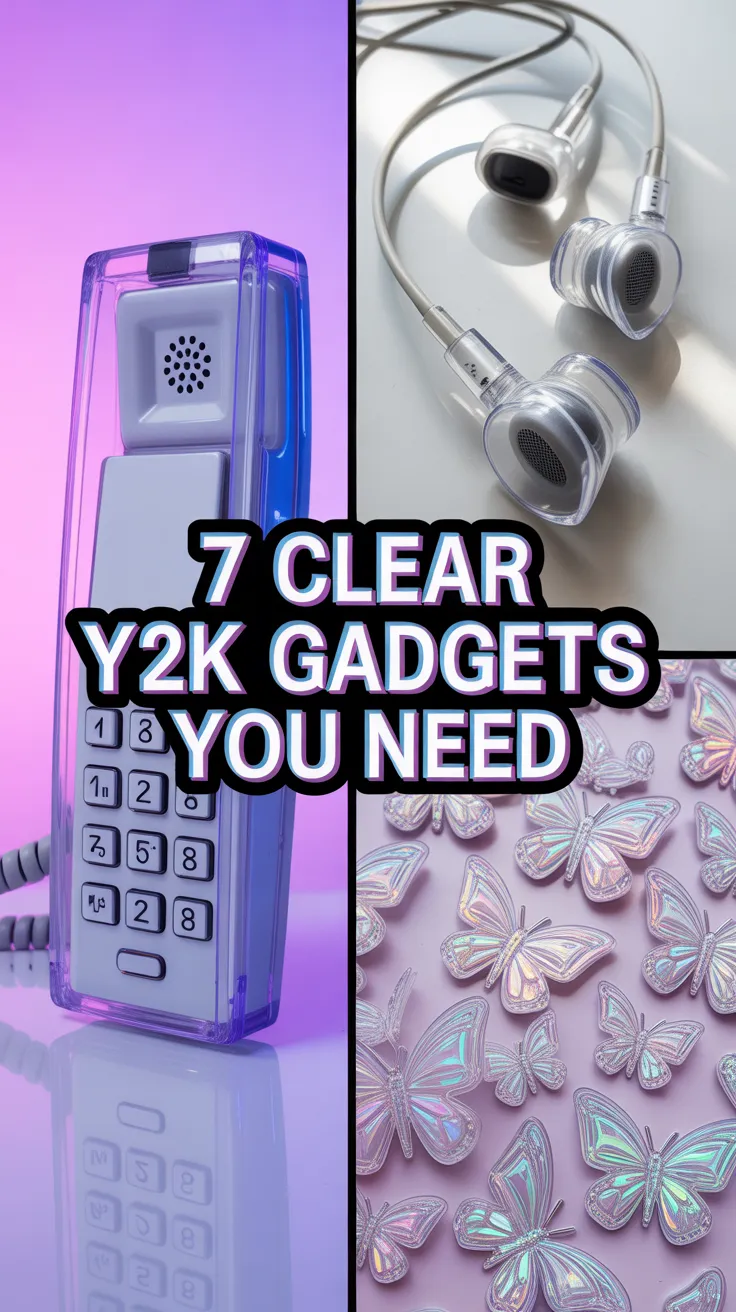
That feeling? It never actually left. It just went underground for about two decades while the world got obsessed with matte black rectangles and “clean” minimalism that, honestly, started feeling less like sophistication and more like a waiting room.
Now, the clear craze is back—and it’s hitting harder than ever. Pinterest boards titled “Y2K room inspo” and “aesthetic tech setup” are overflowing with translucent gadgets in every color: icy clear, bubblegum pink, electric blue, and that unmistakable “Atomic Purple” that defined a generation of Game Boys and iMacs. TikTok bedroom tours are featuring light-up landline phones on nightstands. Etsy shops are selling holographic stickers specifically sized for transparent electronics. This is not a micro-trend. This is a full cultural reclamation of the most visually joyful era in consumer technology history.
If you’ve been staring at your bedroom setup and feeling like something is missing—like it’s functional but not you—this is your sign. The secret ingredient isn’t more furniture or another LED strip. It’s transparent tech. It’s letting your gadgets show their insides, catch the light, and become the conversation-starting, Pinterest-worthy statement pieces they were always meant to be.
This guide covers seven clear gadgets that will completely transform your Y2K room aesthetic, plus the customization pieces that take them from cute to iconic. Every single item on this list is shoppable, stackable, and designed to make your space feel like the coolest corner of the early 2000s internet brought to life.
Let’s get into it.
Why Transparent Tech Became the Defining Y2K Aesthetic (And Why It’s Back)
The Psychology Behind the Clear Craze
To understand why transparent tech hits so differently, you have to understand what was happening culturally when it first exploded. The late 1990s were a genuinely optimistic moment in technology. The internet was new and exciting rather than exhausting. Personal electronics were becoming accessible to everyday households for the first time. And designers—freed from the constraint of hiding ugly components—made a radical creative choice: they showed everything.
Apple’s original iMac G3 in 1998 was the cultural detonator. Translucent Bondi Blue plastic. A computer that looked like a piece of candy sitting on your desk. It sold three million units in its first two years and completely rewrote the visual language of consumer electronics. Within months, everything followed: translucent Game Boys, clear landline phones with glowing internal lights, see-through CD players, transparent alarm clocks. The message was: technology is fun, and we’re not hiding that anymore.
What’s happening now with Gen Z and younger Millennials is a direct psychological response to the opposite extreme. Modern smartphones are engineered to be invisible—flat, featureless slabs of glass that are deliberately designed to disappear into your hand. There’s no joy in the object itself. The experience lives entirely inside the screen, which means the device is just a portal to more content, more notifications, more scroll. No wonder people are burning out.
Transparent tech offers something the iPhone fundamentally cannot: the object itself is interesting. A clear phone with a glowing ringer light on your bedside table is a piece of visual art that exists independently of any app or notification. You can look at it and feel something without touching a screen. In an era of digital fatigue and aesthetic oversaturation, that tactile, visual distinctiveness is genuinely radical.
What the Pinterest Data Is Telling Us
Search “Y2K room decor” on Pinterest and you’ll find a very specific visual pattern emerging: transparent electronics placed deliberately as decor objects, not just functional tools. Clear phones styled next to butterfly clips and glitter photo frames. Translucent Game Boys hanging from beaded lanyards. See-through speakers positioned as bedside table centerpieces. The community has collectively decided that cute tech is room decor, and transparent tech is the ultimate expression of that philosophy.
The 18–34 female demographic driving this trend—which represents nearly 87% of the core audience for Y2K aesthetics—isn’t just buying these items for nostalgia. They’re buying them as intentional aesthetic choices that communicate something about their personality, their taste, and their rejection of the cold, corporate minimalism that dominated the 2010s. Clear gadgets are a visual statement. They say: I have fun. I have taste. And I remember when technology felt like a toy.
The Statement Piece: Transparent Landline Phones That Light Up Your Room
Why a Clear Phone Is the Ultimate Bedside Table Accessory
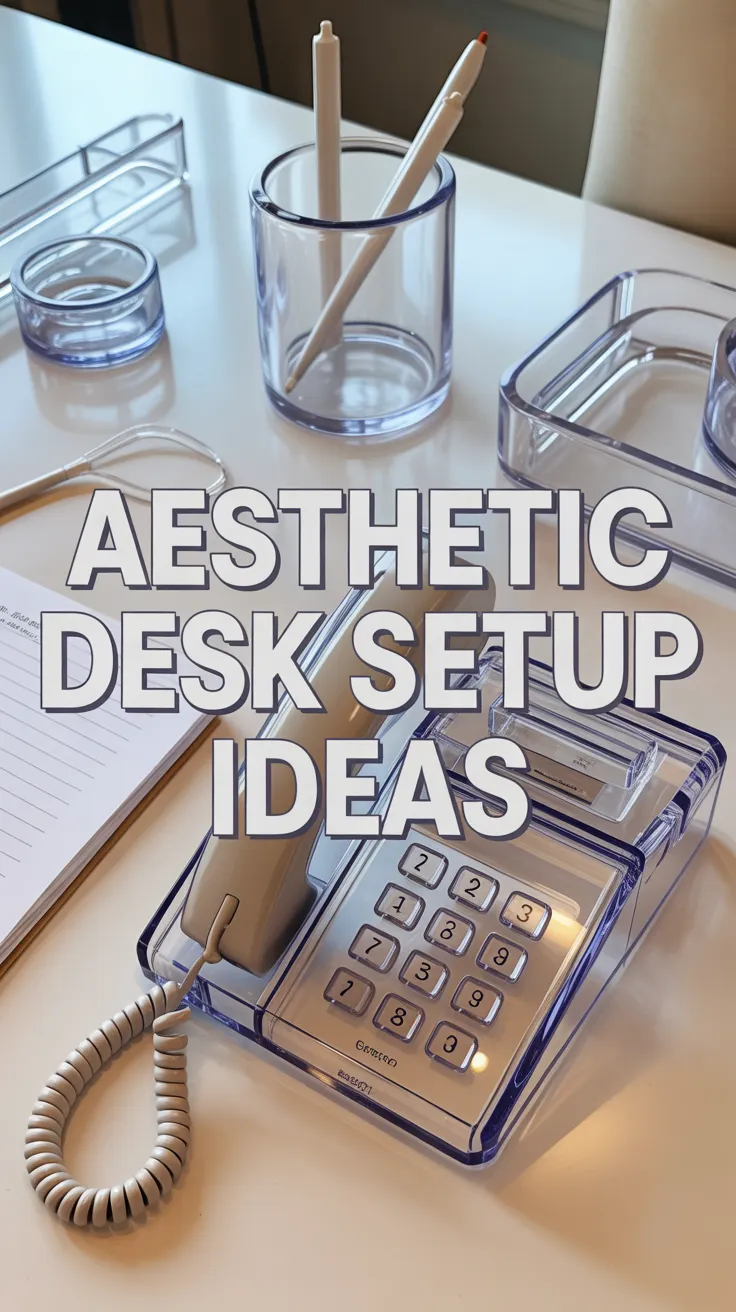
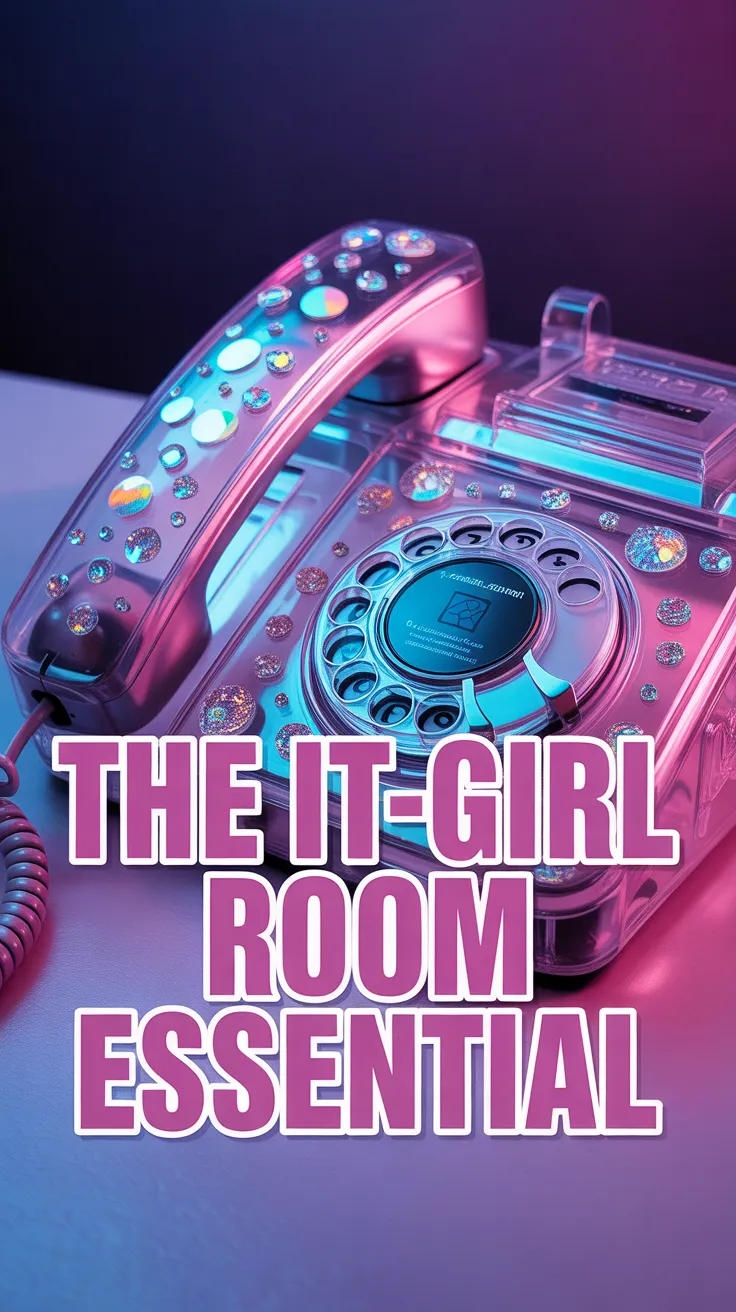
Of all the transparent tech items from the Y2K era, nothing has the same immediate visual impact as a clear landline phone. And not just any clear phone—specifically the kind that glows when it rings. The internal lights illuminating the circuitry, the translucent handset catching the light, the satisfying physical click of a real keypad. This is the item that stops people mid-scroll when they see it in a bedroom tour.
The Conair Clear Phone is the iconic reference point here. Originally sold in the late 90s and early 2000s, these transparent corded phones with illuminated internals were a staple of teen bedrooms everywhere. The visual effect—seeing the actual working components light up when someone called—was genuinely mesmerizing in a way that no modern device can replicate. It turned a functional telephone into a living piece of room decor.
The Unisonic NT-6650BB carries that same energy: a clear-bodied phone with visible internal components that makes your nightstand look like a prop from a Y2K-era teen movie. Styled next to a lava lamp, a printed photo strip, and some butterfly clips, it’s the kind of bedside setup that gets saved to Pinterest boards thousands of times.
Here’s what makes the transparent landline phone particularly powerful as a room aesthetic piece: it’s unexpected. Nobody expects a landline phone in a 2024 bedroom. That subversive quality—taking something your parents had in the kitchen and making it the centerpiece of your aesthetic setup—is exactly the kind of creative recontextualization that defines the best Y2K revival content.
Styling Your Clear Phone: The Bedside Table Setup
The transparent phone works best when it’s treated as a sculptural object rather than a purely functional device. Place it on a small tray or platform to elevate it slightly. Surround it with other clear or translucent objects—a small acrylic organizer, a crystal, a transparent photo frame. The goal is to create a “clear corner” that catches light from multiple angles throughout the day.
At night, if your phone has internal lighting that activates when it rings, that glow becomes a genuinely beautiful ambient light source. It’s the Y2K equivalent of a nightlight, and it photographs incredibly well for room content.
→ Shop the Aesthetic: Find transparent landline phones on Amazon and make your bedside table the most-pinned corner of your room.
Clear Audio: See-Through Speakers and Earbuds That Look as Good as They Sound
The Music Aesthetic Is Having a Moment—And Transparent Gear Is Leading It
The “music aesthetic” is one of the most consistently popular sub-niches within the broader Y2K revival. Vinyl records on walls, cassette tape displays, retro CD players as decor. But the transparent audio gear category is where the aesthetic gets genuinely interesting, because it combines the visual appeal of see-through tech with something you actually use every single day.
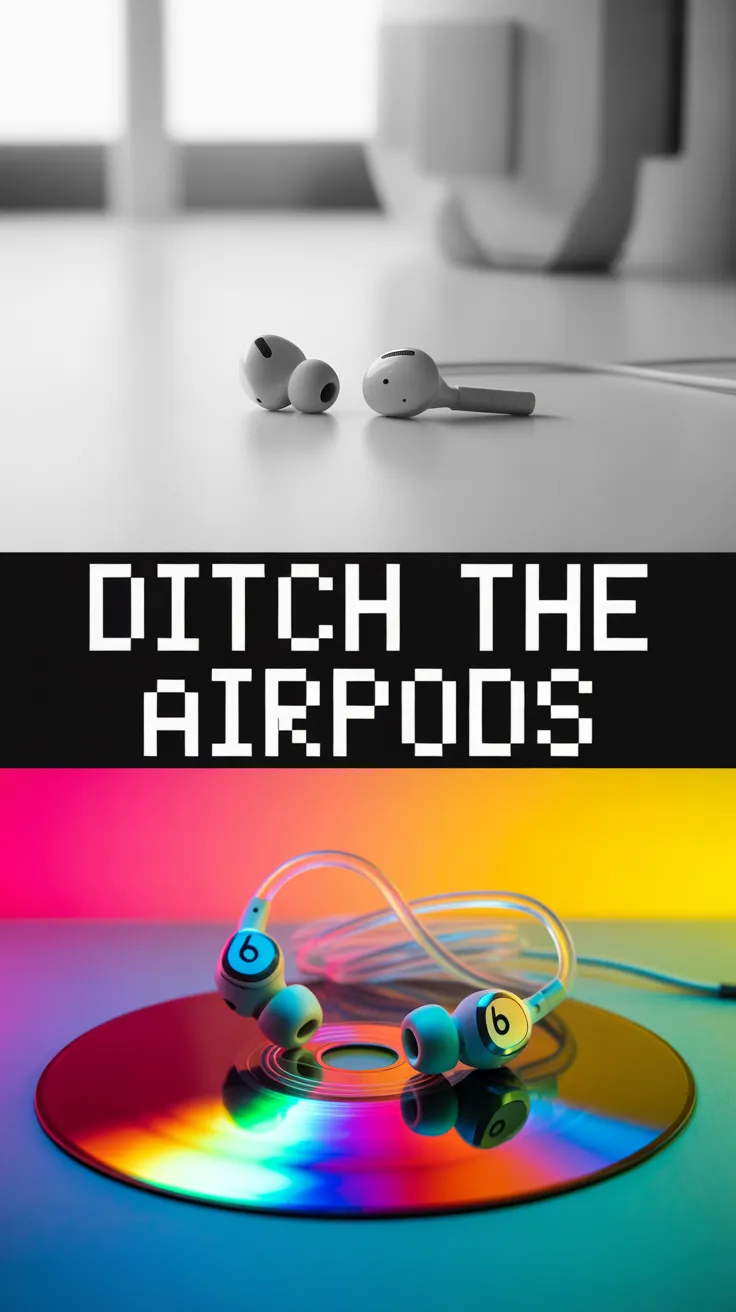
Modern transparent earbuds have been a quiet revolution in the cute tech space. The Beats Studio Buds+ released a transparent edition that immediately became a viral moment—seeing the internal components of wireless earbuds through a clear casing felt like a direct callback to the Y2K design language, but with 2024 audio technology inside. They sold out repeatedly. The message from the market was unmistakable: people want to see the insides of their tech.
For a more committed Y2K aesthetic, wired transparent earbuds are the move. Yes, wired. The tangled cord aesthetic—once considered a nuisance—has been fully reclaimed as a visual element. Clear or translucent wired earbuds draped over a phone or wrapped around a CD player photograph beautifully and signal an intentional aesthetic choice rather than a tech limitation. You’re not using wired earbuds because you can’t afford wireless. You’re using them because they look incredible and you know it.
Transparent Bluetooth Speakers as Room Decor
A small transparent Bluetooth speaker is one of the highest-value aesthetic investments you can make for a Y2K room setup. The best ones feature visible internal components—the speaker membrane, the circuit board, the battery—all visible through clear or lightly tinted plastic. When music plays, you can sometimes see the components vibrating slightly. It’s genuinely hypnotic.
Look for speakers in the palm-sized range that can sit on a bookshelf or desk without taking up significant space. The transparent housing means they visually “disappear” into your setup while simultaneously becoming a focal point—a paradox that only works with see-through design. Pair one with a transparent phone and a clear acrylic desk organizer, and you’ve built an entire aesthetic corner without adding visual clutter.
→ Shop the Aesthetic: Browse transparent speakers on Amazon to find the perfect clear audio piece for your setup.
Aesthetic Gaming: Translucent Handheld Consoles for Your Inner Child (and Your Handbag)
The “Atomic Purple” Effect and Why Retro Gaming Is a Fashion Statement
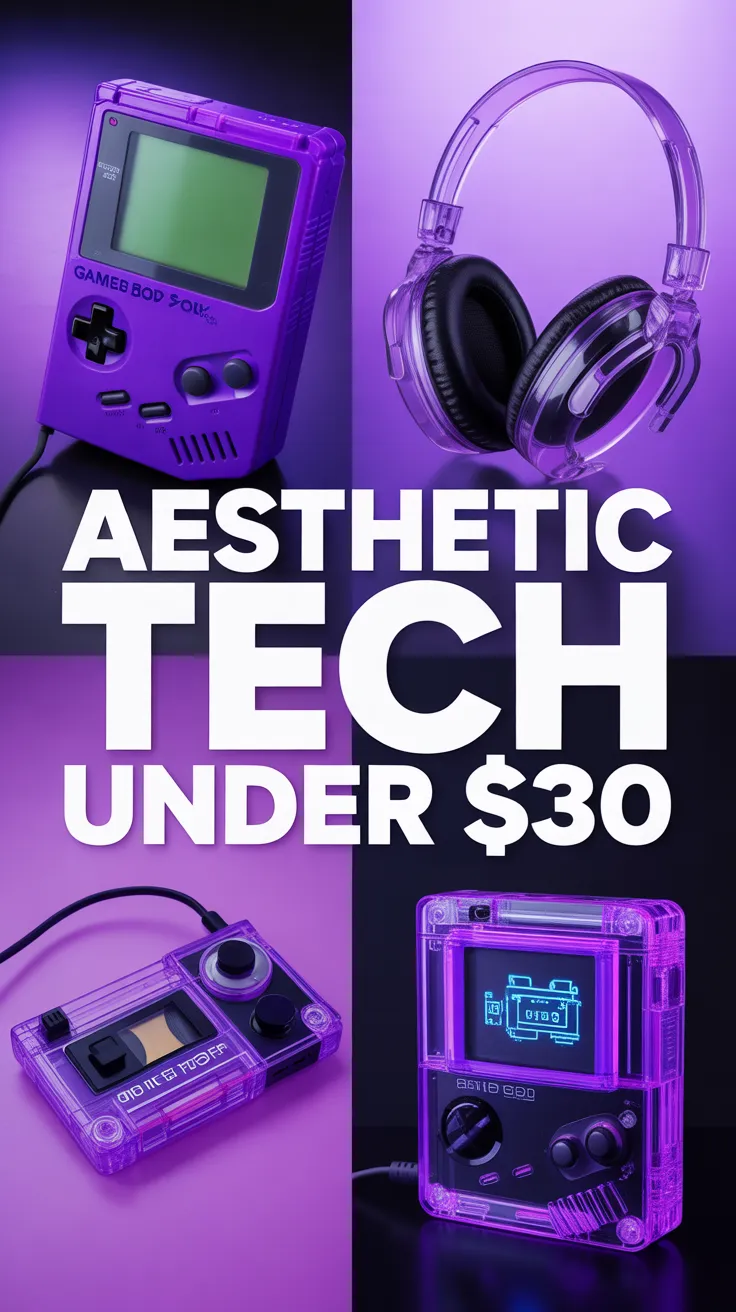
There is no color more immediately, viscerally Y2K than Atomic Purple. That translucent, slightly smoky purple plastic that Nintendo used for the Game Boy Color and Game Boy Advance—where you could see the dark shapes of the internal components through the tinted casing—is one of the most iconic design choices in consumer electronics history. It looked like something from a science fiction film aimed specifically at children, and it was perfect.
The retro gaming handheld revival has brought this aesthetic back in full force. Modern retro gaming handhelds—devices that play classic ROMs and emulate older consoles—are now being manufactured in transparent and translucent casings that directly reference the Atomic Purple era. They’re small enough to fit in a jacket pocket, powerful enough to play thousands of classic games, and visually striking enough to clip to a tote bag as an accessory.
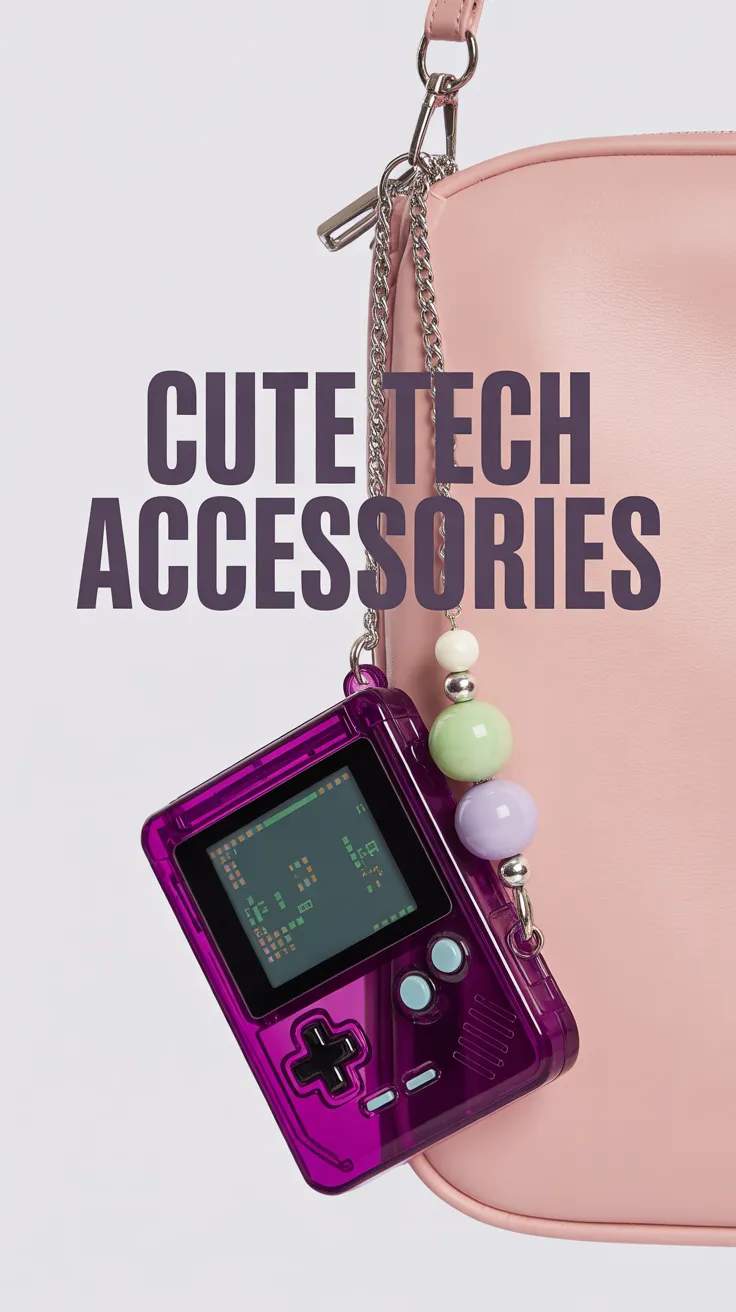
That last point deserves emphasis: the handheld console as handbag accessory is a legitimate Y2K styling move. Clip a small translucent gaming device to the outside of a clear PVC tote bag or attach it to a beaded lanyard, and you’ve created an accessory that is both functional and deeply aesthetic. It’s the kind of detail that makes a fit look considered and intentional—like you curated every element of your look down to the tech you carry.
What to Look for in a Clear Retro Handheld
When shopping for a transparent retro gaming handheld, prioritize the visual quality of the casing over the internal specs. You want a device where the plastic is genuinely clear or translucent—not just a slightly frosted finish—so the internal components are visible. The best options will show the circuit board, battery, and button mechanisms clearly through the casing.
Screen size matters for the aesthetic: a 3.5-inch screen in a compact, transparent body is the sweet spot. Large enough to actually play games comfortably, small enough to function as a wearable accessory. Battery life of 4–6 hours is standard for this category, which is more than enough for the aesthetic-driven use case of “game for a bit, then display it on your nightstand.”
→ Shop the Aesthetic: Shop transparent retro gaming handhelds on Amazon and heal your inner child in the most aesthetic way possible.
The Full Clear Tech Comparison: Retro Transparent vs. Modern Minimalist
Still on the fence about committing to the transparent aesthetic? Here’s a direct comparison between clear Y2K-inspired tech and their modern minimalist counterparts across every metric that matters to the aesthetic buyer:
| Category | Transparent Y2K Tech | Modern Minimalist Tech |
|---|---|---|
| Visual Impact | ✅ Immediate statement piece; visible internals catch light | ❌ Intentionally invisible; designed to disappear |
| Room Decor Value | ✅ Functions as both gadget AND decor object | ❌ Purely functional; adds no aesthetic value when not in use |
| Pinterest/Content Appeal | ✅ Extremely photogenic; high save/share rate | ❌ Generic; blends into any setup without distinction |
| Customization Potential | ✅ Sticker-bombing, charms, and lanyards all enhance the look | ❌ Customization often looks out of place or cheap |
| Personality Expression | ✅ Communicates taste, nostalgia, and creative identity | ❌ Communicates nothing beyond “I own a device” |
| Conversation Starter | ✅ Guests immediately notice and ask about it | ❌ Indistinguishable from every other device in the room |
| Price Point | ✅ Often significantly more affordable than premium modern tech | ❌ Premium pricing for intentionally featureless design |
| Nostalgia Factor | ✅ Triggers genuine emotional response and memory | ❌ Zero emotional resonance; purely transactional |
The table doesn’t lie. On every metric that matters to the aesthetic buyer—visual impact, room decor value, content appeal, personality expression—transparent Y2K tech wins by a significant margin. The only category where modern minimalist tech competes is pure technical performance, which is genuinely irrelevant when you’re shopping for a bedside table phone or a decorative speaker.
Customize It: Sticker-Bombing Your Clear Tech Into a Masterpiece
Why Customization Is the Non-Negotiable Final Step
Here is the truth about transparent tech that nobody tells you upfront: the clear casing is not the finished product. It’s the canvas. A transparent phone or speaker straight out of the box is a starting point—beautiful, yes, but generic. The magic happens when you make it yours.
The Y2K customization aesthetic has very specific visual rules that have been collectively established by the community over the past few years. Holographic stickers. Butterfly motifs. Stars, moons, and celestial imagery. Small retro logos and pixel art graphics. Chunky, tactile elements like beaded lanyards and charms. The goal is layered maximalism—more is more, as long as the color palette stays cohesive. Think iridescent, pearlescent, and metallic tones over matte or flat colors.
The Essential Transparent Tech Customization Kit
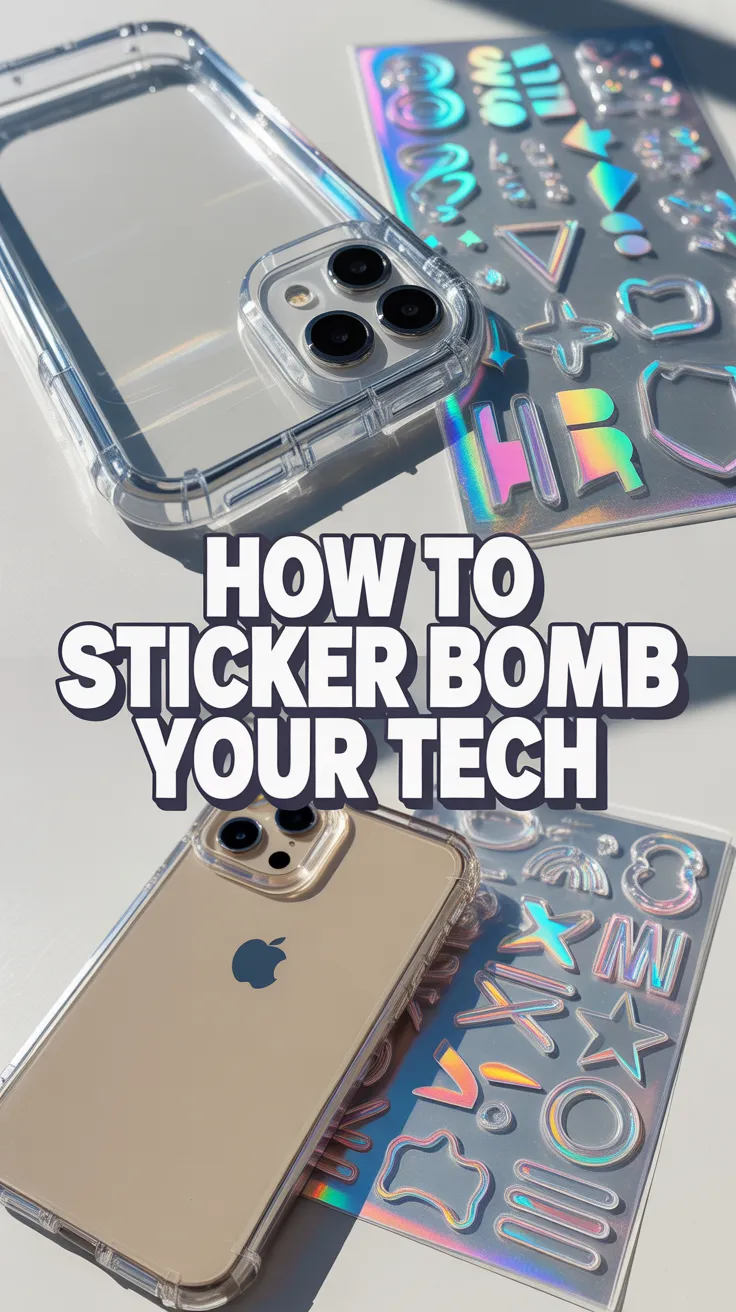
Holographic Butterfly Stickers: The single most Y2K customization element available. A sheet of holographic butterfly stickers applied to a clear phone creates an effect that looks like butterflies are frozen inside the plastic—visible from both sides through the transparent casing. This is the kind of detail that gets a bedroom photo saved ten thousand times on Pinterest. Look for stickers with a strong adhesive that won’t peel at the edges, and choose holographic foil over flat printed options for maximum light-catching effect.
Star and Moon Sticker Packs: Celestial imagery is a permanent fixture of the Y2K aesthetic. Small metallic star stickers scattered across a transparent phone or speaker add visual texture without overwhelming the see-through effect. The key is restraint in individual placement—cluster them in corners and edges rather than covering the entire surface, so the transparent sections remain visible and the stickers frame rather than obscure the internal components.
Beaded Lanyards and Charms: This is the accessory layer that takes your transparent tech from “cute room decor” to “full Y2K outfit piece.” A beaded lanyard attached to a clear phone or retro gaming handheld transforms it into something you can wear. Use alphabet beads to spell out your name or a phrase. Mix solid-color beads with translucent or iridescent ones to match the clear aesthetic of the device itself. Add small charms—tiny stars, hearts, flowers—at intervals along the lanyard for a layered, maximalist finish.
Holographic Chunky Cases: For transparent earbuds or small devices, a holographic or iridescent carrying case doubles as a display object. When the case is sitting on your desk or nightstand, it should look as good as the device inside it. Clear cases with holographic inner lining, or cases in translucent pastel plastics, maintain the aesthetic coherence of your transparent tech collection.
→ Shop the Aesthetic: Shop holographic Y2K sticker packs on Amazon and start building your customization kit today. Your clear tech is waiting for its glow-up.
The Sticker-Bombing Process: A Quick Methodology
Before you commit stickers to your transparent tech, do a dry run. Lay the stickers on the surface without removing the backing and photograph the arrangement. Look at the photo rather than the device directly—this gives you a more accurate sense of how the final result will look in content. Adjust positioning until you’re happy with the composition, then apply from the center outward to avoid air bubbles.
On transparent devices specifically, consider applying some stickers to the inside of removable panels if the device allows it. Stickers visible through the clear plastic from the outside create a depth effect that looks genuinely stunning in photos and in person—like the decoration is part of the internal circuitry itself.
Building Your Complete Y2K Transparent Tech Setup: The Room-by-Room Guide
The Bedside Table: Your Nighttime Aesthetic Anchor
The bedside table is the highest-value real estate in any Y2K bedroom setup. It’s the last thing you see before sleeping and the first thing you see when you wake up—and it’s the most commonly photographed corner of any bedroom aesthetic post. Your transparent tech centerpiece here should be the clear landline phone, positioned so its internal components are visible from your sleeping position. If it has a light-up ringer function, that ambient glow becomes part of your nighttime environment.
Surround the phone with complementary clear and translucent objects: a small acrylic tray to contain the arrangement, a transparent alarm clock if you can find one, a crystal or two to catch morning light. Keep the color palette tight—either all-clear with holographic accents, or clear with a single pastel tone running through every element.
The Desk Setup: The Cyberdeck DIY Aesthetic
The desk is where transparent tech can go fully maximalist. This is the “cyberdeck DIY” aesthetic territory—a setup that looks like it was assembled with genuine creative intention rather than purchased as a matching set. A transparent Bluetooth speaker as the audio centerpiece. Clear acrylic desk organizers holding pens, cables, and accessories. A transparent or translucent keyboard if your budget extends to it. Wired clear earbuds draped artfully over a monitor stand.
The cyberdeck DIY aesthetic specifically rewards visible cable management—or intentional cable non-management. Transparent or colored cables left deliberately visible, rather than hidden, add to the “showing the insides” visual language of the entire transparent tech aesthetic. A clear USB hub with multiple devices plugged in creates a genuinely striking visual when the cables are translucent or match a cohesive color palette.
The Bookshelf Display: Transparent Tech as Art Objects
Not every piece of transparent tech needs to be actively used to justify its place in your setup. A retro translucent gaming handheld displayed on a small acrylic stand on a bookshelf is functioning as a sculpture. A clear phone with butterfly stickers visible through the casing, positioned between books and photo frames, is a piece of curated decor. Give your transparent tech the display treatment you’d give any aesthetic object—elevated, intentional, and lit.
→ Shop the Aesthetic: Shop the full transparent tech collection on Amazon and start building your complete Y2K room setup today.
Final Verdict: The Transparent Tech Aesthetic Is Not a Trend—It’s a Lifestyle Choice
Here’s the thing about transparent tech that separates it from every other room aesthetic trend cycling through Pinterest right now: it has staying power because it’s rooted in something real. The clear craze of the late 90s and early 2000s wasn’t a marketing gimmick. It was a genuine design philosophy—the idea that technology should be joyful, expressive, and honest about what it is. That philosophy didn’t become irrelevant. It just got buried under a decade of minimalist design orthodoxy that told us the most sophisticated thing we could do was make our tech invisible.
The 18–34 women who are driving the Y2K aesthetic revival aren’t being naive or ironic about it. They’re making a deliberate, considered choice to surround themselves with objects that have personality, that catch light, that show their insides, that invite customization and creative expression. A clear phone with butterfly stickers and a beaded lanyard is not a step backward in sophistication. It’s a rejection of the idea that sophistication requires sterility.
The seven categories of transparent tech in this guide—landline phones, earbuds, speakers, gaming handhelds, and the customization pieces that bring them all together—form a complete aesthetic ecosystem. You don’t need all of them at once. Start with the statement piece that speaks to you most viscerally (probably the glowing clear phone, if we’re being honest), customize it until it feels completely yours, and build outward from there.
Your bedroom should feel like a space that was assembled by someone with a specific, confident, joyful point of view. Transparent tech, done right, communicates exactly that. It says: I know what I like. I like things that are beautiful and playful and a little bit unexpected. I like technology that doesn’t take itself too seriously. I like being able to see the insides of things.
That’s not a trend. That’s a personality.
→ Build Your Y2K Setup Now: Shop our curated list of transparent tech and aesthetic stickers on Amazon and turn your room into the ultimate 2000s aesthetic space. Your clear, glowing, sticker-bombed dream setup is one cart away.
“`