
The Best Fluffy Pancakes recipe you will fall in love with. Full of tips and tricks to help you make the best pancakes.

I. Welcome to the JOMO Era: Why the “It-Girl” Is Going Offline

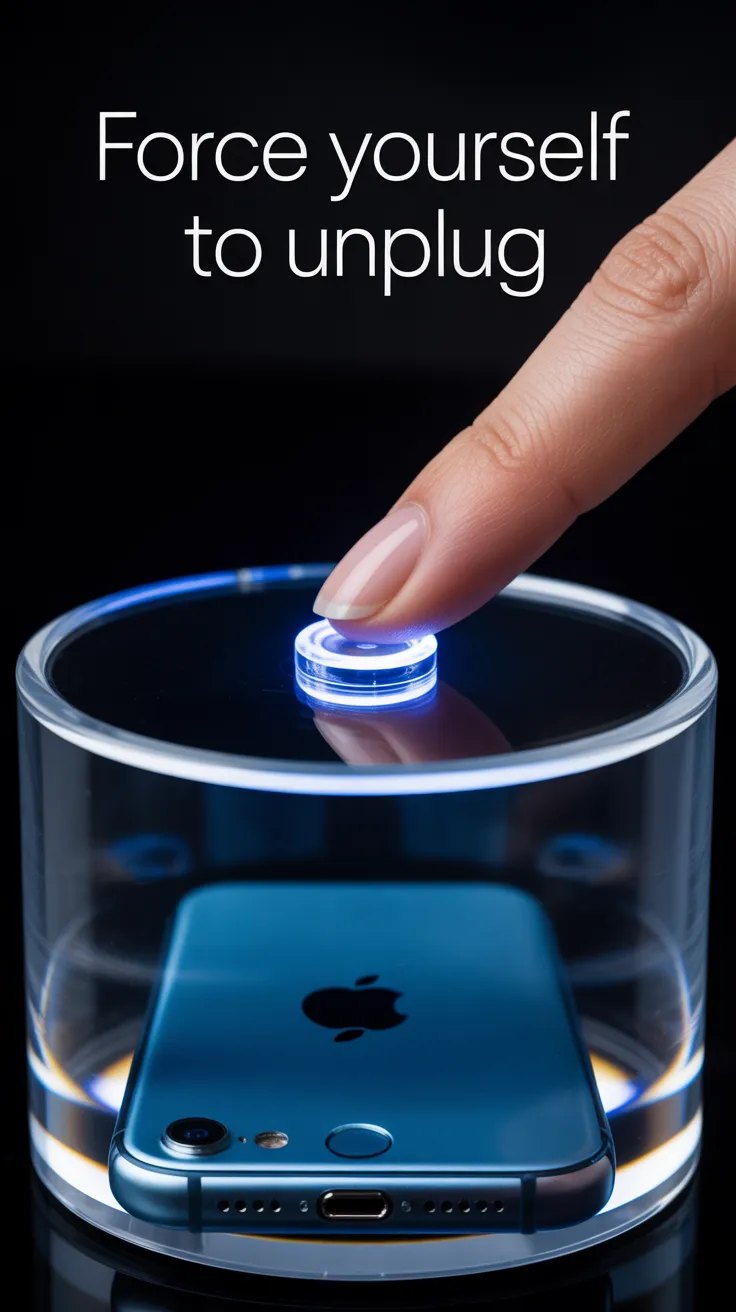
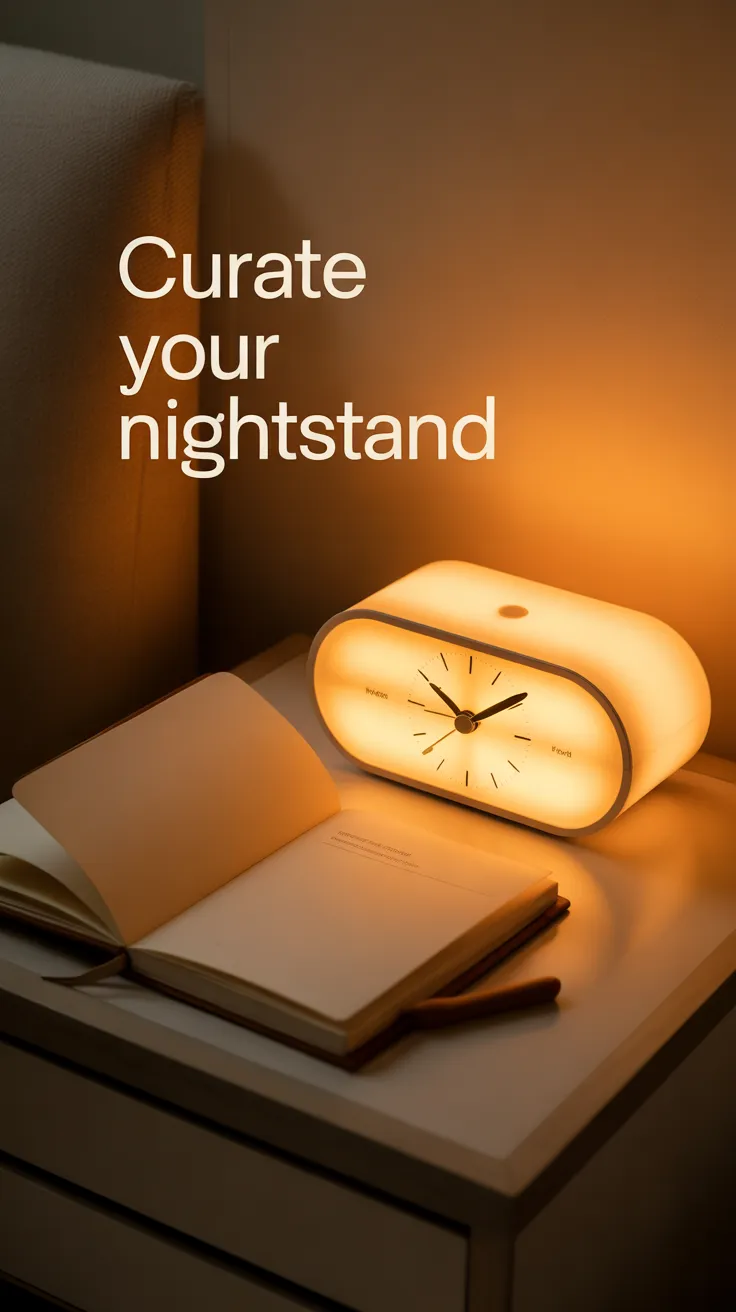
Picture this. It is 7:14 on a Tuesday morning. Your phone is face-down in a sleek acrylic vault on your nightstand — locked, quiet, completely inaccessible. Instead of being jolted awake by a cascade of red notification bubbles and the low-grade cortisol spike that comes with them, you are pulled gently into consciousness by a warm amber glow that blooms across your ceiling like a slow sunrise. You stretch. You breathe. You exist, fully, in a room that does not demand anything from you yet.
This is not a fantasy. This is the JOMO lifestyle, and in 2026, it is the most radical, most coveted, and honestly most necessary aesthetic upgrade you can make to your daily life.
The cultural math here is not complicated. We have spent the better part of a decade optimizing ourselves for the algorithm — curating our feeds, our faces, our entire personalities around what performs. And the result? A generation of women who are exhausted, overstimulated, and quietly furious about it. According to the American Psychological Association’s 2025 Stress in America report, 72% of adults aged 18–34 identify their smartphone as a primary source of daily anxiety. Seventy-two percent. That is not a quirk. That is a crisis.
But here is what is happening on the other side of that crisis: a full-blown cultural rebellion. The “Analogue Era” is not just a Pinterest aesthetic (though the mood boards are genuinely stunning). It is a neurological necessity. Women in their twenties and early thirties are quietly, deliberately, and very stylishly putting their phones in boxes, buying flip phones for the weekend, and replacing their bedside doom-scroll sessions with the warm crackle of a sunrise alarm clock. They are choosing the Joy of Missing Out — JOMO — over the anxiety of needing to see everything, be everywhere, and perform constantly.
This guide is your definitive, all-in-one JOMO starter kit. We are not here to tell you to “just put your phone down.” We are here to give you the exact aesthetic tools, science-backed wellness tech, and curated gadget ecosystem that make going offline feel like the ultimate luxury upgrade — because in 2026, it genuinely is.
We cover four pillars of the complete digital detox lifestyle: the physical boundary (aesthetic phone lock-boxes), the weekend companion (chic dumbphones), the sleep sanctuary (sunrise alarm clocks), and the invisible data layer (screen-free smart rings). Each section includes our top picks, the science behind why it works, and exactly how to build your kit. Let’s go.
II. The Boundary: Aesthetic Phone Lock-Boxes — The Foundation of Your Detox
Why Willpower Is the Wrong Tool for Digital Detox

Here is the uncomfortable truth that no wellness influencer wants to say out loud: willpower does not work against a $300 billion industry that has engineered your dopamine system to crave its product. The notification ping, the infinite scroll, the red badge on your app icon — these are not accidents. They are deliberate, research-backed behavioral hooks. Trying to resist them through sheer discipline is like trying to resist gravity by thinking really hard about it.
The solution is not mental. It is physical. You need to create a literal barrier between yourself and your device — one that is beautiful enough to feel intentional rather than punitive.
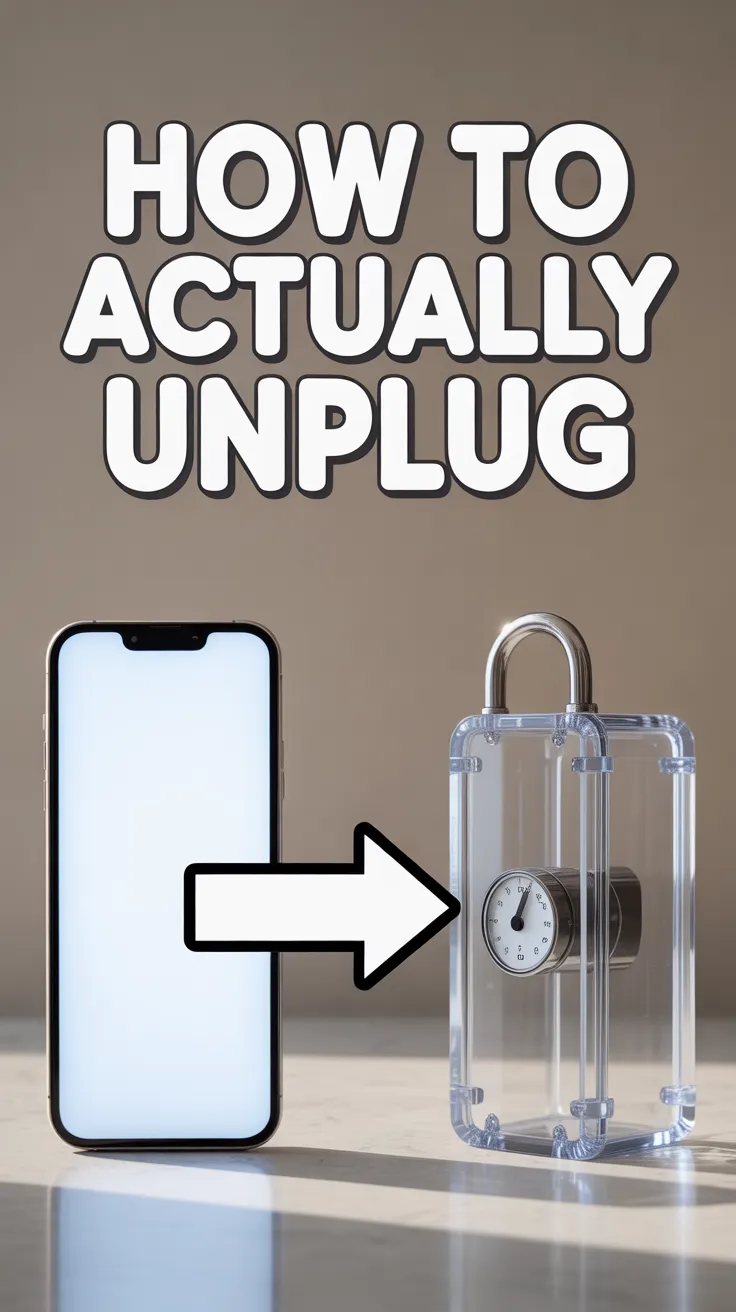
Enter the aesthetic phone lock-box: a timed smartphone vault that physically prevents you from accessing your device for a set period. No override. No “just five minutes.” The box locks, and it stays locked until the timer expires. It is the most elegantly simple piece of neurowellness tech you can own, and it works precisely because it removes the decision entirely.
The Neuroscience of the Physical Boundary
Research from the University of Texas at Austin found that the mere presence of a smartphone on a desk — even face-down and silenced — reduces available cognitive capacity. The brain is quietly, constantly allocating resources to the possibility of the phone. Physical removal, by contrast, produces a measurable reduction in cortisol and a corresponding improvement in sustained focus. This is not a soft wellness claim. This is documented neuroscience.
The timed lock-box operationalizes this perfectly. When the device is physically inaccessible, the brain’s “checking” loop — that compulsive, low-grade urge to glance at your screen — gradually quiets. Most users report that after three to five days of consistent use, the urge diminishes significantly. After two weeks, many describe it as “forgetting” the phone exists during locked periods. That is your prefrontal cortex reclaiming territory it lost to the algorithm. That is your attention span healing.
What to Look For in a Phone Lock-Box
Not all lock-boxes are created equal. For the JOMO aesthetic, you want a vault that functions as a design object — something you are proud to have on your desk or nightstand, not something that looks like a prop from a productivity bro’s YouTube channel. Key features to prioritize:
- Clear acrylic or frosted construction — so the box looks intentional and sculptural on your desk
- Timed lock mechanism — not a combination lock (you will crack it) but a genuine countdown timer
- Large enough capacity for your phone plus, ideally, your AirPods case — remove the whole ecosystem at once
- Silent operation — no ticking. You are curating peace, not a countdown anxiety
The Kitchen Safe Timed Lock Container has become the quiet cult favorite of the digital detox community for exactly these reasons. It is clear, it is minimal, it works with a simple dial, and it has been featured in more “my morning routine” Pinterest boards than we can count. It is not marketed as a phone vault — it was designed for portion control — but the JOMO community adopted it immediately, and honestly, that origin story makes it more charming.
For a more overtly aesthetic option, look for clear acrylic phone vaults with rose gold hardware on Amazon — search “timed phone lock box clear acrylic” and filter by 4-star and above. The visual effect of your phone sitting, visible but inaccessible, inside a beautiful clear box on your desk is genuinely powerful. It is a daily reminder that you are in control of the technology, not the other way around.
🛒 Shop the Boundary Kit: Timed Phone Lock-Box + a small linen pouch to store your AirPods alongside it. Lock them both. Go live your life.
III. The Weekend Companion: Chic Dumbphones — Your New Luxury Status Symbol
The Dumbphone Is Having Its Main Character Moment
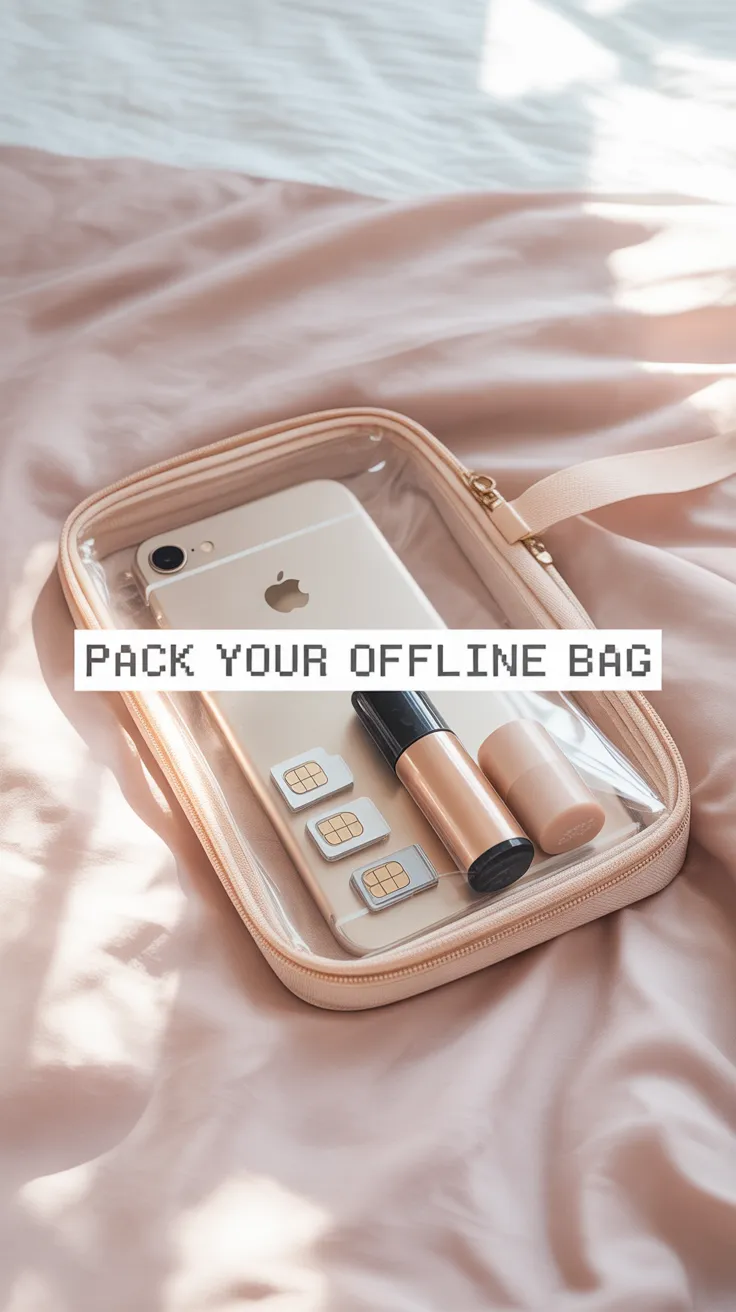
The numbers are wild and they are real: dumbphone sales in the United States increased by 31% in 2024, with the sharpest growth curve among women aged 18–29. The Punkt MP02, the Light Phone II, and a resurgence of unlocked Y2K-era flip phones are appearing in the same aesthetic spaces as designer bags and vintage denim. This is not a fringe movement. This is a full-blown status signal.
And it makes complete sense when you understand the psychology. In a world where everyone has a supercomputer in their pocket, choosing not to — choosing a device that only calls, texts, and maybe plays music — is the ultimate flex. It says: I am not available to the algorithm. I am present. I am unbothered. That is the JOMO lifestyle distilled into a single object.
The Two Schools of Dumbphone Aesthetic
Within the dumbphone-for-women space, two distinct aesthetics have emerged, and your choice between them says a lot about your personal offline vibe:
The Minimalist E-Ink School
Devices like the Light Phone III (anticipated 2026 release) and the existing Light Phone II represent the premium, architectural end of the spectrum. Matte white or charcoal body. E-ink display that is readable in direct sunlight. A tool, not a toy. These phones do calls, texts, a podcast player, and a hotspot — and nothing else. No browser. No social media. No way in.
The Light Phone II retails around $299 and is absolutely worth every dollar if you are committed to a full weekend detox experience. Pair it with an unlocked SIM plan (Google Fi works beautifully for this) and you have a device that keeps you genuinely reachable for emergencies while removing every single algorithmic hook. It photographs beautifully in flat-lay shots, which — let’s be honest — matters when you are documenting your Analogue Era journey.
The Y2K Flip Phone School
For the girl whose JOMO aesthetic leans more McBling than Muji, the unlocked Y2K flip phone is your weapon of choice. The Alcatel Go Flip 4 and the Nokia 2780 Flip are both currently available on Amazon, both unlocked, both compatible with major US carriers, and both genuinely, unironically charming. The satisfying snap of closing a flip phone at the end of a call is a sensory experience that the smartphone generation has been robbed of, and reclaiming it feels better than it has any right to.
The Nokia 2780 Flip in particular has developed a devoted following in the JOMO community for its combination of 4G LTE connectivity (so it actually works on modern networks), a physical keypad, a basic camera, and a battery life that stretches to multiple days. It retails under $80 on Amazon, making it the most accessible entry point into the dumbphone lifestyle.
The “Weekend Phone” Strategy
You do not have to go cold turkey. The most sustainable approach — and the one that the JOMO community has largely converged on — is the Weekend Phone Strategy: your smartphone stays home (in its lock-box) on Saturday and Sunday, and your dumbphone comes with you. Brunch, the farmers market, your Hot Girl Walk, the bookstore — all of it experienced without the gravitational pull of Instagram. All of it actually experienced, rather than documented for an audience.
Keep your smartphone number forwarded to your dumbphone for the weekend using your carrier’s call forwarding feature. Anyone who genuinely needs to reach you can. Everyone else can wait until Monday.
🛒 Shop the Weekend Kit: Nokia 2780 Flip (unlocked, available on Amazon) + a small crossbody bag with no phone pocket — because if there is no pocket, there is no temptation.
IV. Unplugged Sleep: Sunrise Alarm Clocks — The Most Important Room in Your Detox

The Bedroom Is Sacred Ground
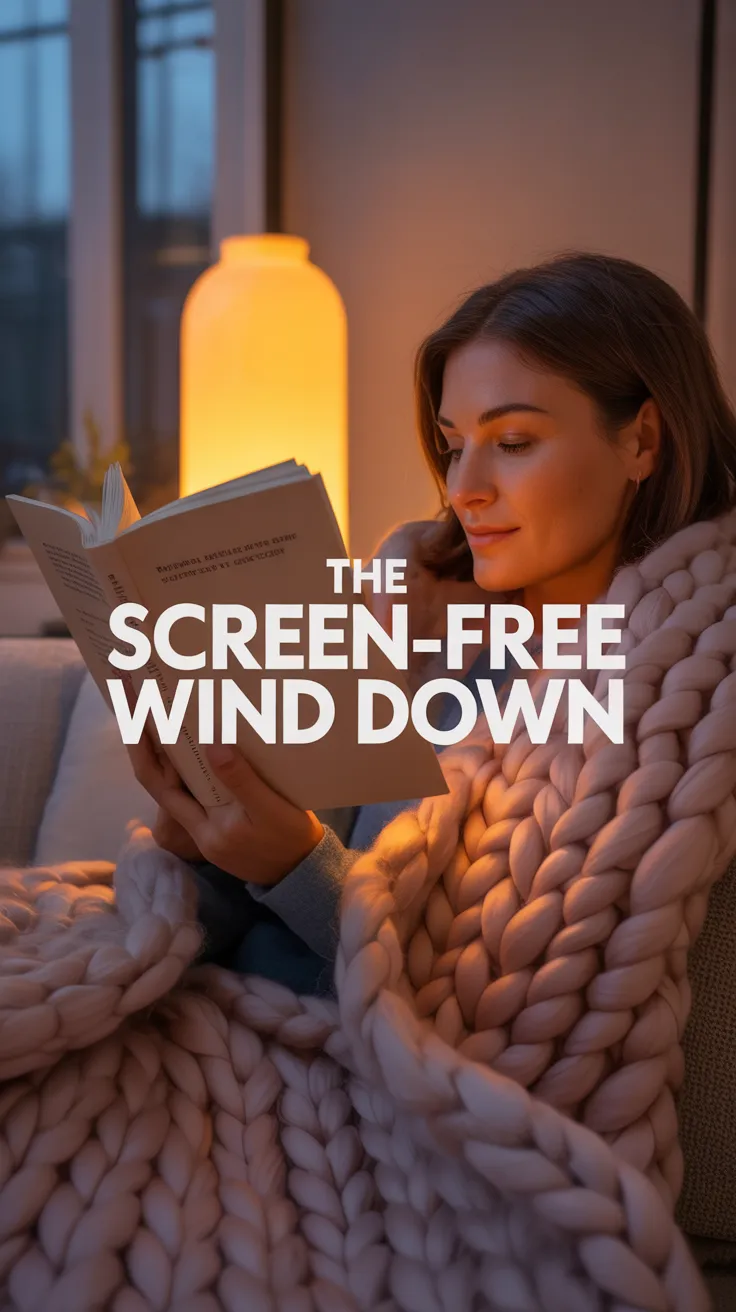
If there is one non-negotiable in the JOMO starter kit, it is this: your smartphone does not sleep in your bedroom. Full stop. This single change — removing the phone from the bedroom entirely — has more documented impact on sleep quality, morning cortisol levels, and overall psychological wellbeing than almost any other single intervention in the digital detox toolkit.
A 2024 study published in the Journal of Sleep Research found that participants who charged their phones outside the bedroom for just two weeks reported a 34% improvement in sleep onset time, a 28% improvement in sleep quality scores, and — critically — a significant reduction in morning anxiety. The mechanism is straightforward: when your first waking action is not checking notifications, your cortisol awakening response (the natural morning cortisol spike that is supposed to energize you) proceeds without the spike-within-a-spike that comes from immediately processing social and informational input. You wake up calmer, clearer, and more present.
But removing the phone creates an immediate practical problem: most of us have been using our phones as alarm clocks for years. The solution is not a harsh, buzzing traditional alarm clock — that just replaces one cortisol trigger with another. The solution is a sunrise alarm clock.
How Sunrise Alarm Clocks Work (And Why They Are Genuinely Life-Changing)
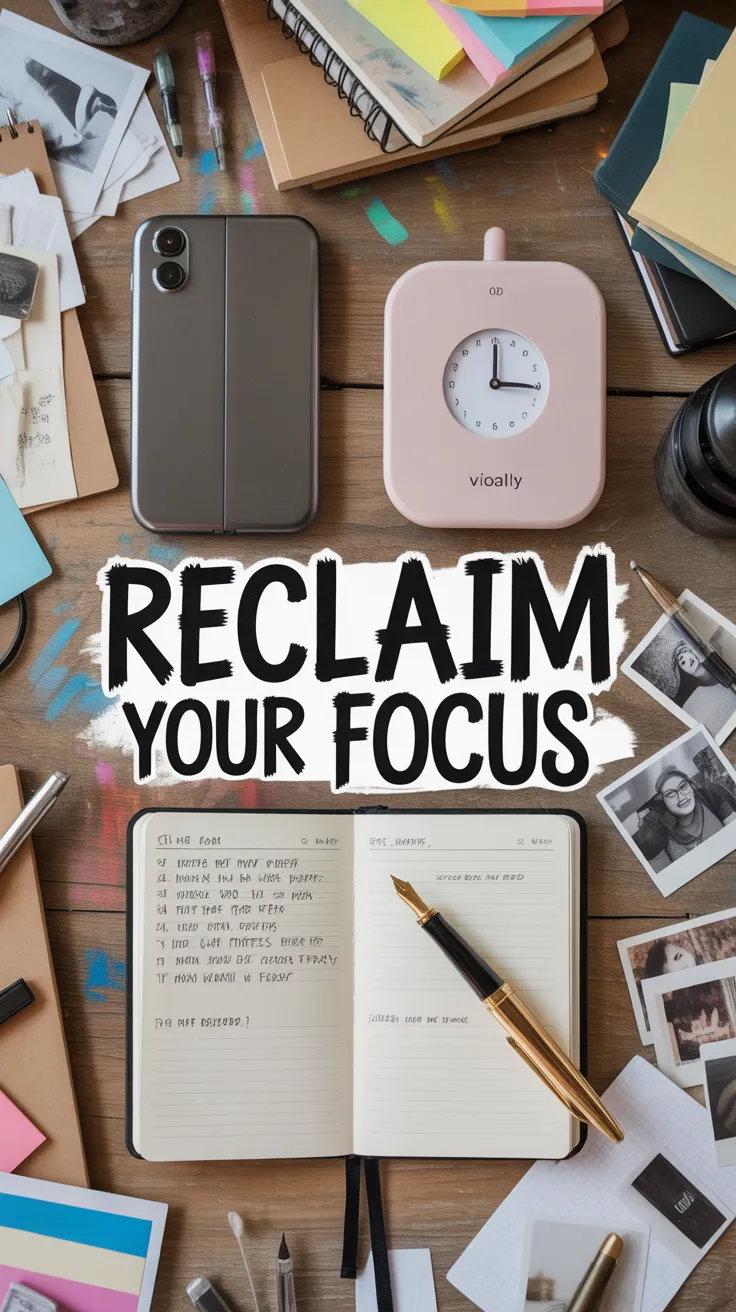
A quality sunrise alarm clock uses gradually intensifying light — typically moving from deep amber through warm orange to bright daylight white over a 20–30 minute window before your set wake time — to trigger your body’s natural photoreceptors. This light exposure suppresses melatonin production and gently elevates cortisol in a curve that mimics actual sunrise, which is what your circadian rhythm has been calibrated to respond to for approximately 300,000 years of human evolution.
The result is waking up that feels less like being yanked out of sleep and more like surfacing slowly from it. Most users describe their first morning with a sunrise clock as “the best I have woken up in years.” That is not hyperbole. That is your biology working the way it was designed to.
Top Picks: Sunrise Alarm Clocks for the JOMO Bedroom
Premium Pick: Hatch Restore 2
The Hatch Restore 2 is the undisputed queen of the sunrise alarm clock category, and it earns that title. Beyond the sunrise simulation, it offers a library of sleep sounds, guided meditations, and a “wind down” routine that dims the light and introduces calming audio in the hour before your set bedtime. The design is genuinely beautiful — a soft fabric-covered disc that looks like a wellness object rather than an alarm clock. It retails around $199 and requires a subscription for the full content library, but the free features alone justify the purchase.
Best Value: Philips SmartSleep Wake-Up Light
The Philips SmartSleep HF3520 is the science-backed workhorse of the category. Philips has been researching light therapy and circadian health for decades, and it shows. The sunrise simulation is smooth, the light quality is excellent, and it includes an FM radio for those who want a gentle audio component to their wake-up. It retails around $99–$129 on Amazon and consistently earns top marks from sleep researchers and wellness communities alike.
Aesthetic Pick: Loftie Clock
If the visual aesthetic of your nightstand is non-negotiable — and for the JOMO It-Girl, it absolutely is — the Loftie Clock deserves serious consideration. Its matte white rectangular form is architectural and minimal, it has a two-phase alarm system designed to align with your sleep cycles, and it includes a curated library of sleep sounds and breathing exercises. At around $150, it sits between the Philips and the Hatch in price and splits the difference between pure function and pure aesthetic.
🛒 Shop the Sleep Sanctuary Kit: Sunrise Alarm Clock (any of the above) + a physical book for your nightstand reading + a small essential oil diffuser with lavender. Build the whole ritual, not just the gadget.
V. Invisible Data: Screen-Free Smart Rings — Biohacking Without the Screen
The Paradox of Wellness Tech
Here is the tension at the heart of the biohacking-for-women space: the most powerful health tracking tools currently available are also, by design, screen-based devices. Smartwatches buzz, ping, and display notifications. Fitness trackers tether you to apps. The very tools designed to optimize your health can become another vector for the digital fatigue you are trying to heal.
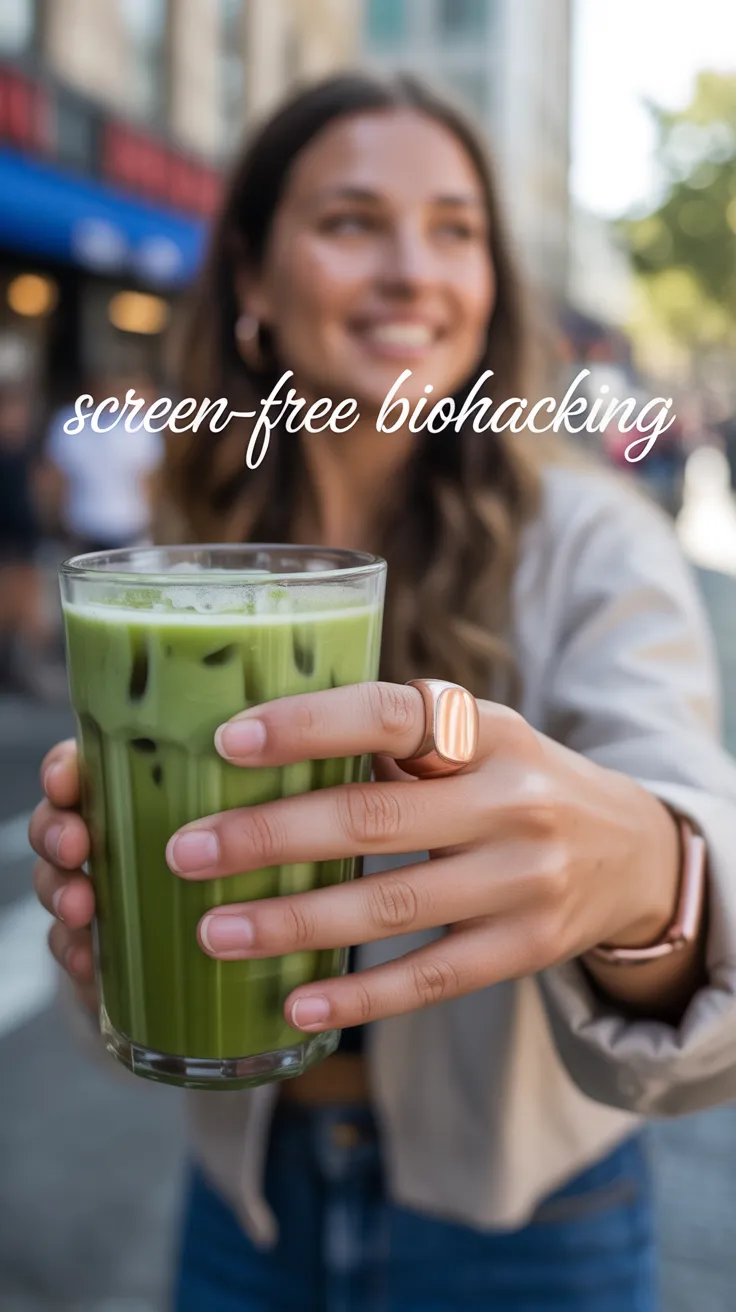
The screen-free smart ring solves this paradox elegantly. It tracks everything — sleep stages, heart rate variability, blood oxygen saturation, skin temperature, menstrual cycle patterns, stress indicators, and recovery scores — and it does so silently, invisibly, and without ever demanding your attention. You check the data when you choose to, through a single app session in the morning. The rest of the time, the ring simply works, quietly, on your finger, looking like high-end jewelry.
Why Heart Rate Variability Is the Metric That Changes Everything
Of all the data points a smart ring collects, Heart Rate Variability (HRV) is the one that will most directly measure the impact of your JOMO lifestyle transition. HRV is the variation in time between your heartbeats — counterintuitively, more variation is better, as it indicates a nervous system that is flexible and responsive rather than locked in a stress state.
Chronic smartphone use, doomscrolling, and notification anxiety all suppress HRV by keeping the sympathetic nervous system (fight-or-flight) chronically activated. As you implement your JOMO starter kit — locking the phone, switching to a dumbphone on weekends, sleeping without your device — your HRV will begin to climb. Watching that number rise over weeks is one of the most motivating feedback loops in the entire digital detox journey. You are not just feeling better. You are measuring it.
The Smart Ring Landscape in 2026
The Oura Ring 4: The Gold Standard
The Oura Ring Generation 4 remains the most scientifically validated consumer smart ring on the market. Its sensor array includes infrared photoplethysmography for heart rate and HRV, a 3D accelerometer for movement and sleep staging, a skin temperature sensor, and a blood oxygen sensor. The ring itself is available in titanium silver, matte black, gold, and rose gold — and in every finish, it reads as jewelry first, tracker second.
At $349–$399 depending on finish, plus a $5.99/month membership for full data access, the Oura Ring 4 is the high-ticket centerpiece of the JOMO biohacking stack. But for a woman who is serious about understanding her nervous system and tracking the measurable impact of her digital detox, it is the single most data-rich investment she can make. The rose gold finish, in particular, has become a genuine status symbol in wellness circles — the equivalent of carrying a specific water bottle or wearing a particular brand of linen.
The Samsung Galaxy Ring: The Accessible Alternative
For those who want to enter the smart ring space without the Oura’s price point, the Samsung Galaxy Ring offers solid sleep and activity tracking in a lightweight titanium body, without a monthly subscription fee. It integrates seamlessly with Samsung Health and provides HRV tracking, sleep stage analysis, and a daily “Energy Score.” Available in sizes 5–13 and in three colorways, it retails around $299 and represents genuinely excellent value for the category.
Wearing Your Data, Not Displaying It
The key behavioral shift with smart rings — and the reason they belong in a JOMO starter kit rather than feeling contradictory to it — is the intentional data check. Rather than passively absorbing health data through a wrist buzz or a watch face glance throughout the day, you designate a single morning window (three minutes, maximum) to review your overnight data. You note your HRV trend, your sleep score, your readiness score. Then you close the app and live your day without a screen telling you how your body is doing.
This is neurowellness tech in its most evolved form: information in service of intuition, not replacement of it.
🛒 Shop the Biohacking Kit: Oura Ring 4 in Rose Gold or the Samsung Galaxy Ring + a small ring sizing kit (available on Amazon for under $5 — measure before you order) + a physical wellness journal to record your weekly HRV trends alongside how you actually feel.
VI. What the Community Is Saying: Real Talk from the JOMO Trenches
From the Reddit Wellness Communities
The r/nosurf, r/digitalminimalism, and r/JOMO communities have been tracking this cultural shift in real time, and the conversations there are illuminating. The recurring themes:
“I put my phone in a Kitchen Safe for the first time on a Sunday morning and didn’t know what to do with myself for about twenty minutes. Then I made actual breakfast, read half a book, and had the best day I’d had in months.” — r/nosurf
“The sunrise alarm clock was the single change that made everything else possible. Once I stopped waking up to notifications, the whole morning felt different. I actually wanted to get up.” — r/digitalminimalism
“My Oura Ring showed my HRV went from 28 to 47 in six weeks of doing the weekend dumbphone thing. I cried a little. My nervous system was genuinely healing.” — r/JOMO
The pain points are equally consistent: the first few days of any lock-box experiment produce significant anxiety and phantom phone-checking urges. The dumbphone transition involves a learning curve around communicating your availability to friends and family. And the smart ring data can become its own obsession if you are not disciplined about the single morning check-in rule.
These are not dealbreakers. They are the friction of any meaningful change. The community consensus is clear: push through the first week, and the other side is genuinely, measurably better.
From the Pinterest Aesthetic Universe
On Pinterest, the JOMO aesthetic boards are a masterclass in intentional living made visual. The recurring images: a clear phone vault on a white oak desk beside a ceramic mug. A Light Phone II resting on a stack of paperbacks. A Hatch Restore 2 glowing amber in a dark bedroom. An Oura Ring in rose gold on a hand holding a physical newspaper.
The through-line in all of it is tactility. Wood, ceramic, linen, paper, metal. The JOMO aesthetic is fundamentally about returning to materials that engage the senses without demanding cognitive processing. Your phone vault is not just a tool — it is a design object that signals your values every time you look at it. Your dumbphone is not just a communication device — it is a statement about what kind of attention you are willing to give and to whom.
VII. Common Setup Pitfalls & Pro-Tips: Build Your Kit Right the First Time
Pitfall #1: Going Too Hard, Too Fast
The most common mistake in building a JOMO lifestyle is attempting a total digital elimination on day one. Locking your phone for 12 hours immediately, switching to a dumbphone full-time, and removing all screens from your bedroom simultaneously is a recipe for rebound. Your nervous system needs to adapt gradually. Start with the bedroom — that is the highest-impact, lowest-friction change. Add the lock-box for two-hour windows on weekends. Introduce the dumbphone for Saturday mornings only. Build the ecosystem over four to six weeks.
Pitfall #2: Forgetting to Fill the Void
The lock-box works best when you have already decided what you are doing instead of scrolling. The void created by removing your phone will be filled by something — make sure you have chosen what that something is before the timer starts. A physical book. A walk route. A recipe you are making from scratch. A friend you are calling on your dumbphone. The JOMO lifestyle is not about deprivation. It is about deliberate replacement.
Pitfall #3: Buying the Ring Before the Behavior Change
The smart ring is a measurement tool, not a transformation tool. If you buy an Oura Ring before implementing any other element of your JOMO kit, you will have beautiful data about a stressed, under-slept nervous system — and no framework for changing it. Build the sleep sanctuary and the phone boundary first. Let the ring measure the results of those changes. The data will be far more motivating when you can see it moving in the right direction.
Pro-Tip: The “Analog Morning” Protocol
The most consistently reported game-changer in the JOMO community is the Analog Morning: a commitment to keeping the first 60–90 minutes of every day completely screen-free. Your sunrise alarm clock wakes you. You do not touch your phone (it is in the lock-box or in another room). You make coffee, you journal, you stretch, you eat actual breakfast. Only after this window do you unlock the phone or open the laptop.
This protocol works because it front-loads your day with low-stimulation, high-presence activities before the algorithmic input begins. Your nervous system starts the day in a regulated state rather than a reactive one, and that regulation tends to persist even after you do eventually check your phone. The morning sets the tone. Protect it fiercely.
VIII. Your Complete JOMO Starter Kit: The Master “Add to Cart” Checklist
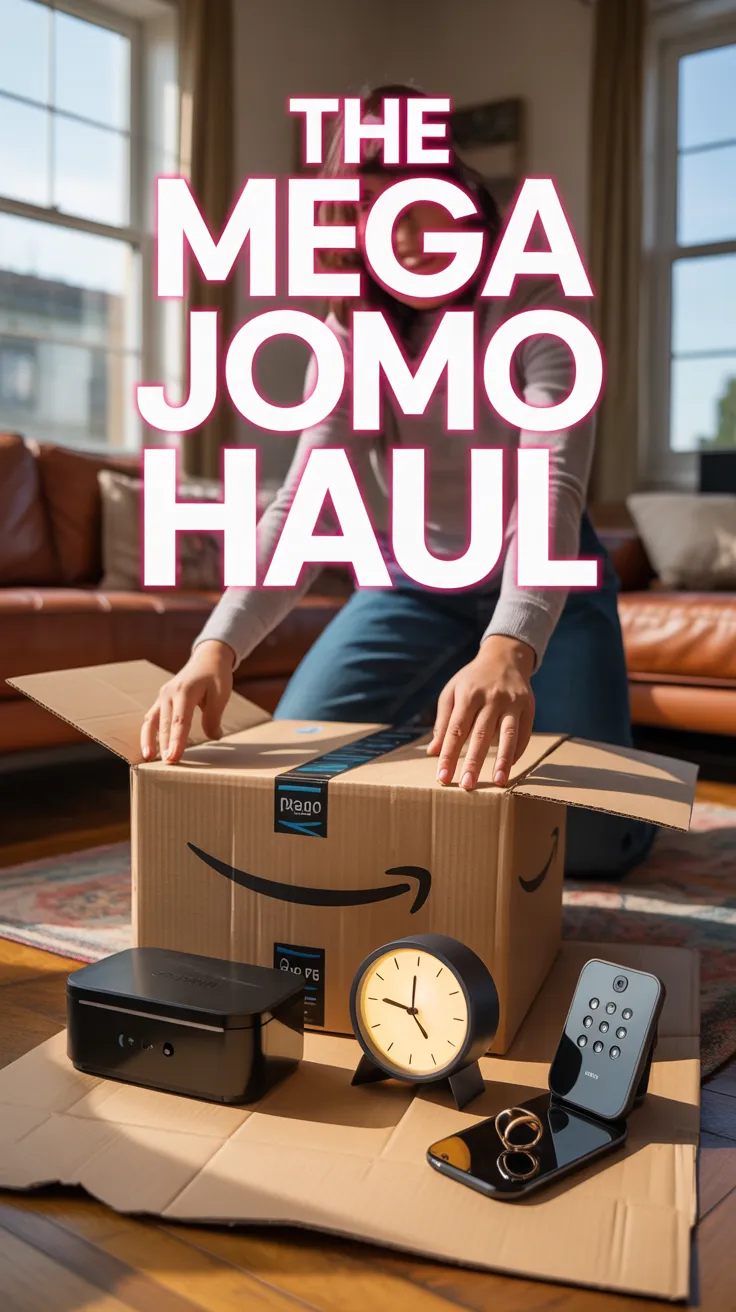
Here is your complete ecosystem, organized by priority and investment level. Build it all at once if you are ready to fully commit, or add one layer per week if you prefer a gradual transition. Either approach works. The only wrong move is not starting.
Layer 1: The Boundary (Start Here)
- ✅ Timed Phone Lock-Box (Kitchen Safe or clear acrylic timed vault) — Under $60 on Amazon
- ✅ Small linen pouch for AirPods/earbuds — lock the whole ecosystem, not just the phone
Layer 2: The Sleep Sanctuary (Highest Impact Change)
- ✅ Sunrise Alarm Clock — Hatch Restore 2 ($199), Philips SmartSleep ($99–$129), or Loftie Clock ($150)
- ✅ Physical book for nightstand reading — your choice, but make it something you have been meaning to read for two years
- ✅ Essential oil diffuser with lavender or cedarwood — complete the sensory ritual
Layer 3: The Weekend Companion
- ✅ Nokia 2780 Flip (unlocked, available on Amazon, under $80) — best value entry into the dumbphone lifestyle
- ✅ OR Light Phone II ($299) — for the committed minimalist who wants the premium E-ink experience
- ✅ Unlocked SIM plan (Google Fi recommended for flexibility)
Layer 4: The Biohacking Layer (The Investment Piece)
- ✅ Oura Ring 4 in Rose Gold or Brushed Titanium ($349–$399 + $5.99/month) — the premium choice
- ✅ OR Samsung Galaxy Ring ($299, no subscription) — excellent value, no monthly fee
- ✅ Ring sizing kit (available on Amazon for under $5) — measure first, order second
- ✅ Physical wellness journal — record your weekly HRV trends and subjective wellbeing scores side by side
Total Investment Range: $238 (budget build: lock-box + Philips clock + Nokia flip) to $750+ (full premium stack: Hatch + Light Phone II + Oura Ring). Every configuration in between is valid. Start where you can. Upgrade as you go.
IX. Next Steps: Go Deeper Into Your Analogue Era
This guide is your JOMO foundation — the four-pillar ecosystem that will fundamentally change your relationship with technology and your own attention span. But each pillar goes deeper than we have covered here, and if one of them particularly resonates, we have dedicated deep-dive guides waiting for you.
Ready to explore the full universe of digital detox gadgets beyond the core four? Our complete guide covers everything from analog alarm clocks to film cameras to physical planners — all the tactile tools that make the offline life genuinely rich. Head to our Digital Detox Gadgets guide for the extended list.
Fascinated by the smart ring and wearables space and want to understand exactly what your HRV data means, how to read your sleep stage breakdown, and which metrics matter most for nervous system recovery? Our Wearables & Smart Rings deep dive has you covered with a full data literacy guide written specifically for women navigating the biohacking space.
And if the dumbphone section of this guide lit something up for you — if you found yourself genuinely excited about the idea of a weekend without Instagram — our Premium Dumbphones guide goes into extensive detail on the full landscape of minimalist phones available in 2026, including carrier compatibility guides, styling tips, and a breakdown of exactly which features each device does and does not include.
Your Analogue Era is not a single purchase. It is an ongoing, evolving practice of choosing presence over performance. These guides are your roadmap.
X. Conclusion: Enter Your Analogue Era — Your Attention Span Is Worth Protecting
Here is what we want you to take away from this guide, beyond the product recommendations and the science and the aesthetic inspo: your attention is the most valuable thing you own. More valuable than your follower count, your productivity metrics, your perfectly curated feed. The capacity to be fully present — in a conversation, in a meal, in a quiet morning, in your own body — is the thing that the algorithm has been quietly extracting from you, and it is the thing that the JOMO lifestyle is designed to help you reclaim.
The tools in this guide are not magic. The lock-box does not heal your nervous system by itself. The dumbphone does not automatically make your weekends richer. The sunrise clock does not guarantee perfect sleep on night one. What they do is create the conditions — the physical environment, the sensory cues, the removed temptations — in which healing can actually happen. They are scaffolding for a different way of living, and like all scaffolding, their value is in what gets built inside them.
The 2026 “It-Girl” is not the one with the most followers or the fastest phone or the most optimized morning routine. She is the one who put her phone in a box, bought a flip phone for the weekend, woke up to a sunrise instead of a notification, and started actually living the life she had been performing online. She is unbothered. She is present. She is, by every measurable metric, healthier and happier than she was before.
That girl is available to you. The kit is right here.
🛒 Shop the Complete JOMO Starter Kit: Timed phone lock-box, your sunrise alarm clock of choice, an unlocked dumbphone for the weekend, and a screen-free smart ring to measure how beautifully your nervous system responds. Add them all to cart. Start your Analogue Era today.
Your attention span called. It wants to come home.
“`