
The Best Fluffy Pancakes recipe you will fall in love with. Full of tips and tricks to help you make the best pancakes.

What the Community Is Saying: The Digital Burnout Is Real

Before we get into the gadgets, let’s sit with the feeling for a second—because you are absolutely not alone in this.
On Reddit’s r/digitalminimalism, a thread titled “I deleted Instagram for 30 days and I don’t recognize myself anymore (in the best way)” has racked up 47,000 upvotes and counting. The top comment? “I started reading again. I started cooking again. I started noticing the light through my kitchen window in the morning. I didn’t realize how much the algorithm had stolen from me.”
On r/JOMO—yes, it’s a thriving subreddit now—women are posting about their “dumbphone weekends,” their lock-box routines, and the strange, electric feeling of sitting in a coffee shop without reaching for their phone. One user wrote: “I feel like I got my personality back. I forgot I had one.”
The Pinterest data is equally telling. Searches for “aesthetic phone lock box desk,” “flip phone aesthetic 2026,” “analogue morning routine,” and “paper planner setup” have surged by over 300% in the past eighteen months. The boards are full of warm-toned flat lays: a leather-bound journal next to a ceramic coffee cup, a Pomodoro timer on a linen tablecloth, a Y2K pink flip phone tucked into a clear pouch.
The dream is tangible. The aesthetic is already built. You just need the physical tools to step into it.
This is the community telling you: the exit door from algorithm addiction is real, and people are walking through it every single day. The gadgets in this article are the keys.
I. Welcome to the JOMO Era: Why 2026 Is the Year American Women Are Choosing to Miss Out
Picture this. It’s a Saturday morning in late spring. The windows are open. There’s a breeze moving through your curtains. Your coffee is hot. Your journal is open to a fresh page. And your phone—your beautiful, expensive, endlessly demanding smartphone—is locked inside a small wooden box on your nightstand, its screen dark, its notifications silenced, its algorithm completely unable to reach you.
You are not missing out on anything.
You are, in fact, experiencing something that is becoming increasingly rare and increasingly precious in 2026: the radical, almost rebellious act of being fully present in your own life.
This is JOMO. The Joy of Missing Out. And it is not a trend. It is a cultural correction.
For the better part of a decade, FOMO—the Fear of Missing Out—drove an entire generation of women to document everything, consume everything, and stay perpetually, exhaustingly online. The result? A mental health crisis that no amount of “self-care content” could fix, largely because the self-care content was itself part of the problem. You cannot heal your nervous system by watching videos about healing your nervous system while your cortisol spikes from the notification badge on the app you opened to watch the video.
The 2026 wellness conversation has finally caught up to what many women have been feeling for years: the smartphone, as a default companion, is incompatible with a calm, intentional life. A landmark study from the American Psychological Association found that women aged 18–34 report the highest rates of “technoference”—the intrusion of technology into personal moments—of any demographic group. The same study found that even the presence of a smartphone on a desk, face-down and silenced, measurably reduced cognitive capacity and feelings of connection during face-to-face interactions.
Your phone doesn’t have to be on for it to be stealing from you.
This is why the JOMO lifestyle is not about going off-grid or becoming a luddite. It is about creating physical, tangible boundaries between yourself and your devices. It is about replacing the dopamine loop of the infinite scroll with the slower, richer dopamine of a completed journal page, a timed work session, or a walk through your neighborhood with nothing in your ears but the actual world.
The gadgets below are your toolkit. They are beautiful, intentional, and designed to help you build a life that doesn’t require a screen to feel full.
Let’s build your detox kit.
II. The Ultimate Boundary: Aesthetic Phone Lock-Boxes (The #1 Digital Detox Tool of 2026)
Why Willpower Alone Will Never Work—And What Actually Does

Here’s the uncomfortable truth that no screen time app will tell you: you cannot out-willpower a billion-dollar attention economy. The engineers who built your social media feeds have spent years optimizing them to be more compelling than your best intentions. Every “just five more minutes” is a feature, not a bug. Relying on self-discipline to put your phone down is like trying to diet in a room where someone is constantly waving a warm croissant in front of your face.
The solution is not more willpower. The solution is physical distance and a literal lock.
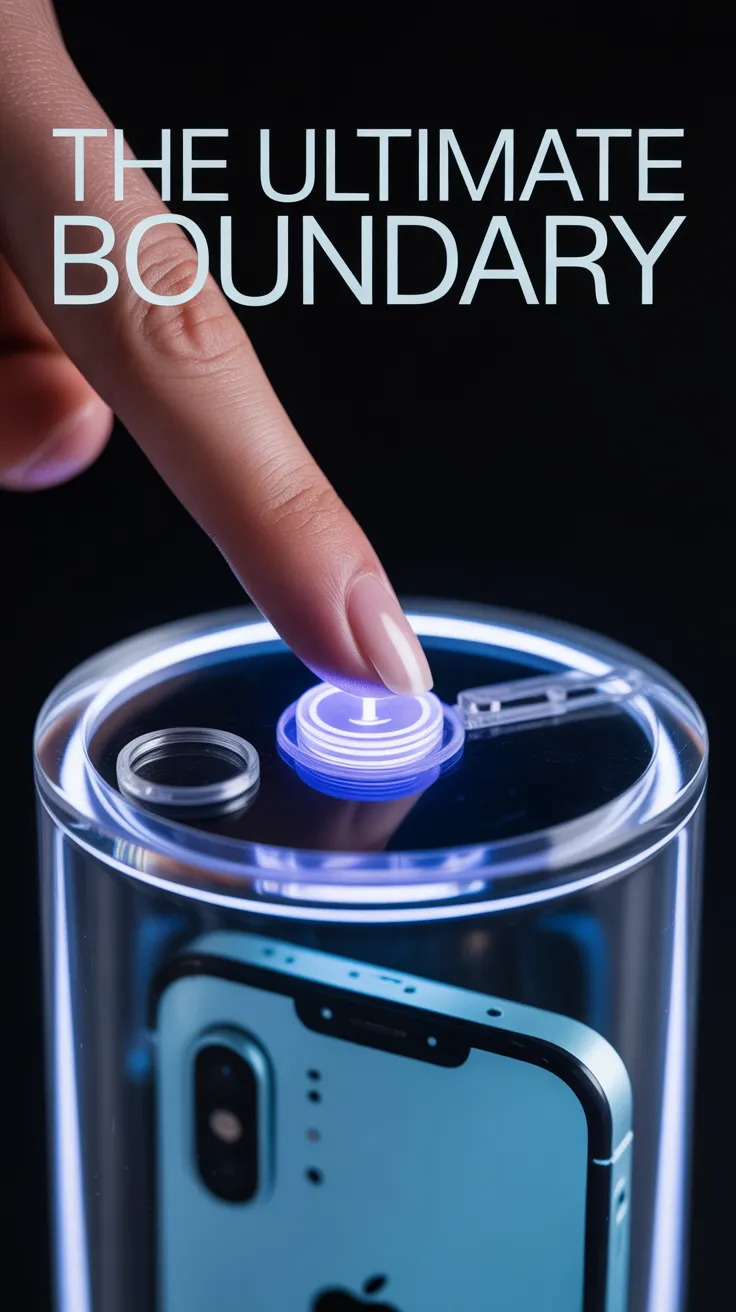
Enter the timed phone lock-box—the single most effective digital detox tool of 2026, and the anchor of every serious JOMO lifestyle kit. The concept is elegantly simple: you place your phone inside, set a timer (anywhere from 15 minutes to 24 hours), and the box locks itself. You cannot open it until the timer expires. There is no override. There is no “just this once.” The decision is made, the boundary is set, and your nervous system can finally exhale.
What to Look For in an Aesthetic Lock-Box

Not all lock-boxes are created equal, and given that this will be sitting on your desk or nightstand, aesthetics matter enormously. The best options in 2026 combine minimalist design with genuine functionality. Look for:
- Material quality: Bamboo, matte black metal, or warm wood finishes that complement a “cluttercore” or “clean girl” aesthetic desk setup.
- Timer range: A minimum of 1 minute to 24 hours, with clear display.
- Size: Large enough to fit a modern smartphone (including Plus/Pro Max sizes) plus a set of keys or a wallet if you want to go fully untethered.
- No override function: This is non-negotiable. Any box with an emergency override defeats the entire purpose.
How to Use Your Lock-Box: The Three-Window Method

The most effective approach for beginners is the “Three-Window Method”: lock your phone during three specific daily windows—morning (first 60–90 minutes after waking), deep work or study sessions (using the Pomodoro method, which we’ll cover below), and evenings (the last 90 minutes before sleep). This alone can reduce daily screen time by 3–4 hours without requiring any dramatic lifestyle overhaul.
Start with the morning window. It is the highest-leverage habit change you can make. Reaching for your phone within the first minutes of waking floods your system with cortisol and immediately puts you in reactive, algorithm-driven mode for the rest of the day. Locking it the night before—so it’s already inaccessible when you wake up—removes the temptation entirely.
✨ Shop the JOMO Starter Kit — Lock-Box Edition: Search Amazon for “timed phone lock box” or “kitchen safe time locking container” to find the most-reviewed options. Pair with a small ceramic tray to place beside it for your keys and lip balm—because the vibe matters just as much as the function.
III. Swap the Screen: The Chic Dumbphone for Your Offline Era
The Weekend Dumbphone Is the Ultimate JOMO Status Symbol

If the lock-box is your daily boundary tool, the dumbphone is your weekend declaration of independence. And in 2026, it is undeniably the most coveted aesthetic piece in the JOMO lifestyle toolkit.
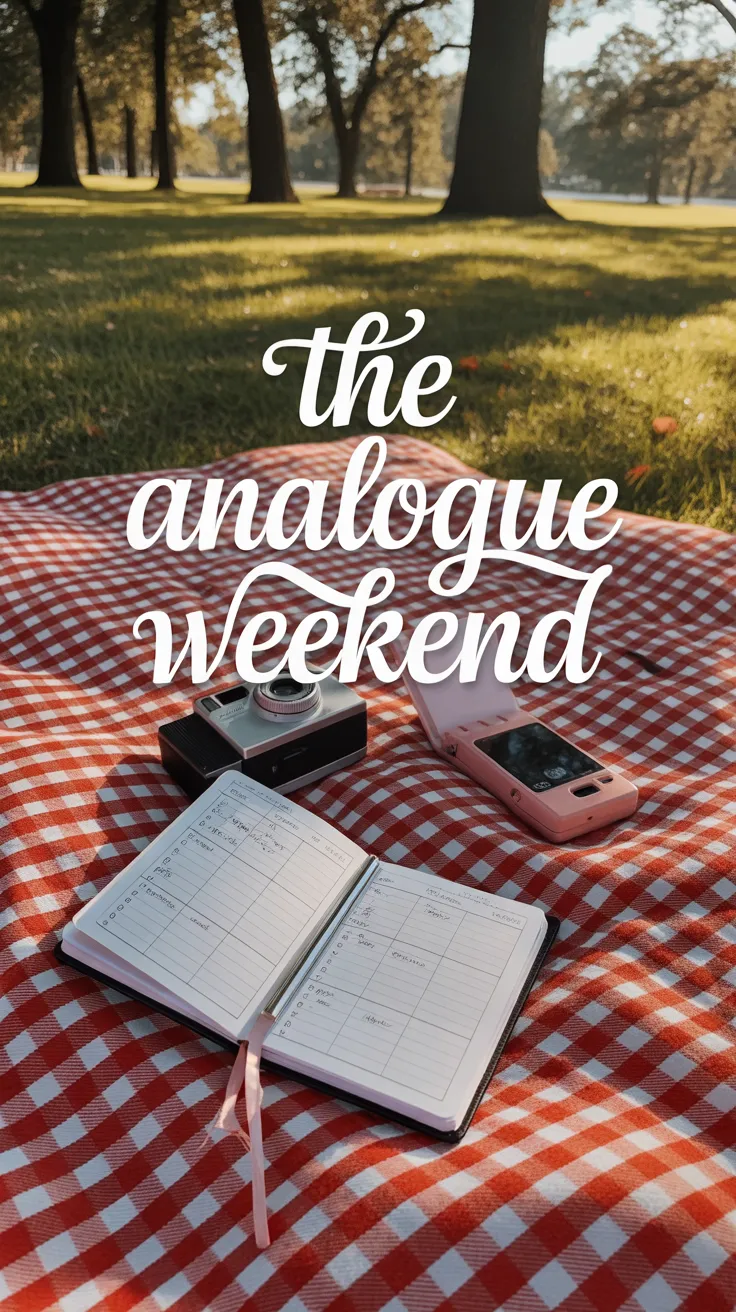
The term “dumbphone” is a bit of a misnomer—these devices are not dumb at all. They are intentionally, brilliantly minimal. They call. They text. Some of them play music. And that is precisely the point. When you leave your smartphone at home on a Saturday and slide a slim, Y2K-pink flip phone or a matte-black minimalist brick into your bag instead, something remarkable happens: you arrive places. You are there—in the coffee shop, at the farmer’s market, on the park bench—in a way that a smartphone-carrying person simply cannot be.
The dumbphone movement has exploded among the 18–34 female demographic for exactly this reason. It is not about being unreachable. It is about being selectively, intentionally reachable—on your terms, not the algorithm’s.
The Y2K Flip Phone Aesthetic: Why It Works
The visual appeal of the Y2K flip phone is inseparable from its function in the JOMO lifestyle. There is something deeply satisfying about the physical snap of closing a flip phone to end a call—a gesture that the smartphone completely eliminated and that, it turns out, many of us have been mourning without realizing it. The tactile closure is a micro-ritual of boundary-setting. The call is over. You are present again.
Aesthetically, the Y2K flip phone photographs beautifully—chrome accents, candy-colored shells, compact form factor. It fits in a tiny bag. It does not demand to be looked at. It sits quietly in your pocket until you need it, and then it folds away again. It is the anti-smartphone.
Minimalist Dumbphones: The Clean-Girl Option
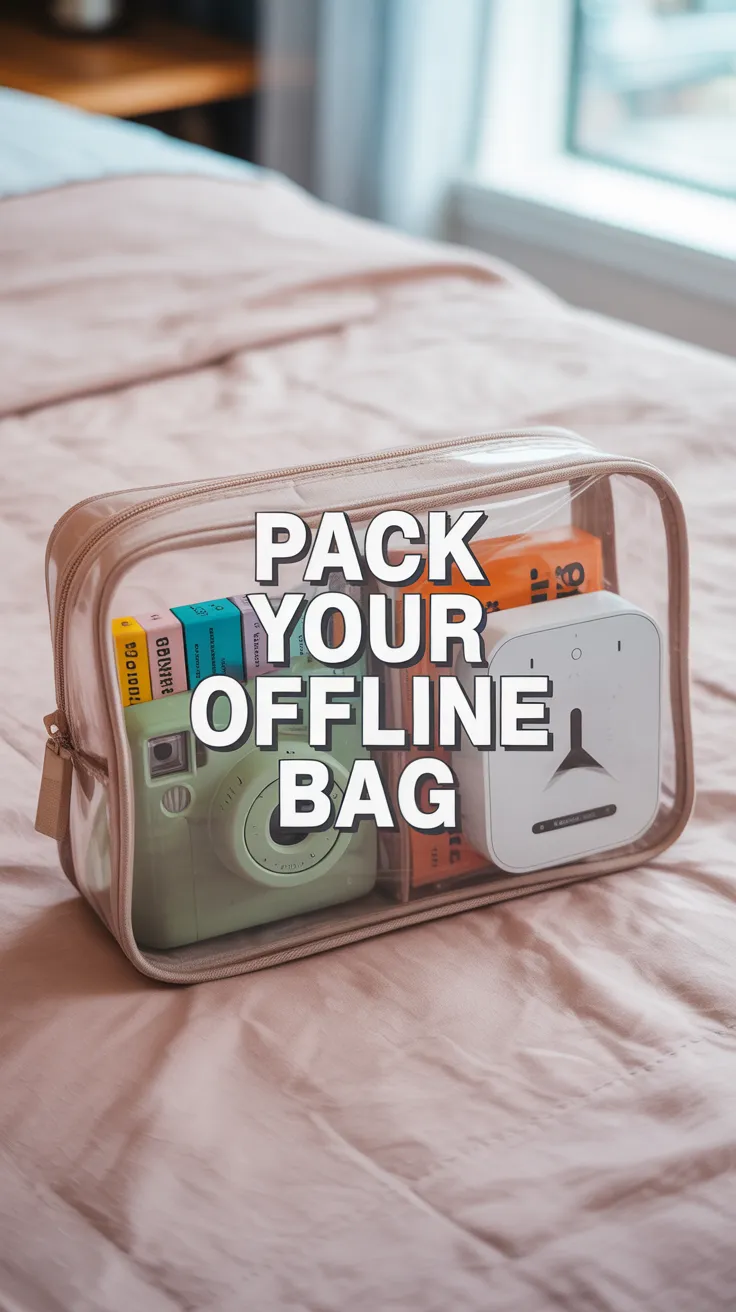
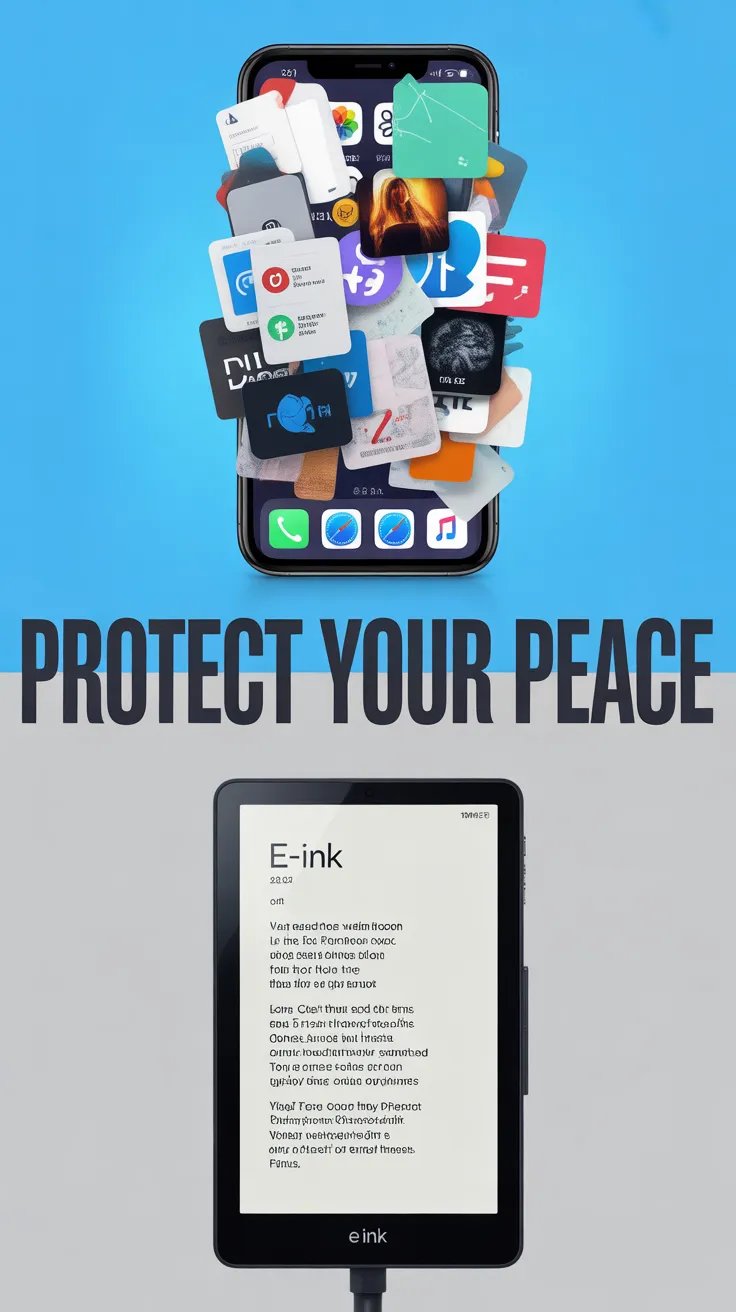
For those who prefer a more understated aesthetic, the new wave of minimalist “light phones” and feature phones offer a sleek, almost architectural beauty. Think matte white or matte black, credit-card thin, with an e-ink or minimal LCD display. These devices typically offer calls, texts, a maps function, and a music player—everything you actually need for a day out, and nothing that can suck you into a scroll spiral.
Brands like Light Phone have been leading this space for years, but 2026 has seen a flood of new entrants at more accessible price points, making the dumbphone weekend genuinely achievable for most budgets.
The Dumbphone Weekend: A Beginner’s Protocol
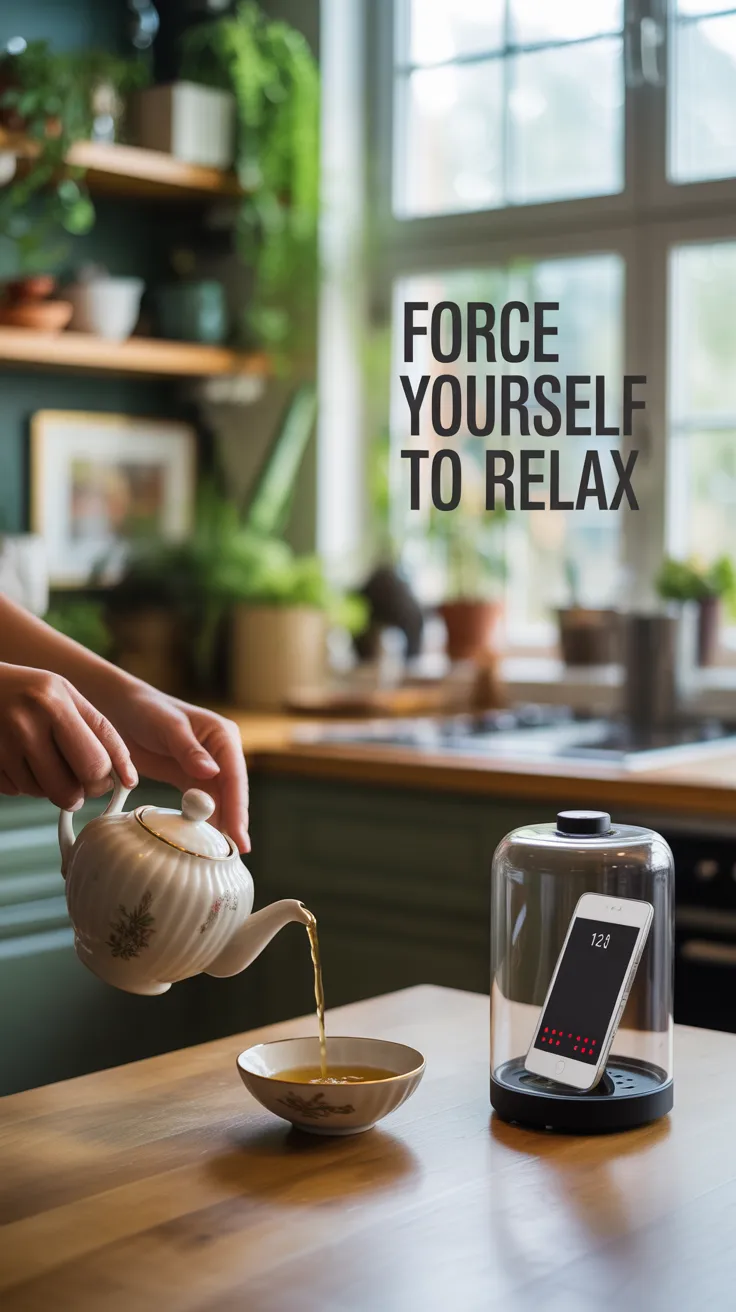
- Friday night: Charge your dumbphone. Put your smartphone in the lock-box. Set the timer for 48 hours.
- Saturday morning: Leave the house with only your dumbphone, your journal, and your analogue timer (see below).
- Notice: How many times do you reach for a phone that isn’t there? Each phantom reach is a data point—a moment your attention was being harvested.
- Sunday evening: When the lock-box opens, you will feel the difference. Most women report feeling calmer, more creative, and more present after their first dumbphone weekend.
✨ Shop the Dumbphone Kit: Search Amazon for “minimalist flip phone unlocked,” “Light Phone,” or “Y2K flip phone GSM unlocked” to explore current options. Pair with a small clear tech pouch to carry your dumbphone, a lip balm, and your earbuds—because your offline kit deserves its own aesthetic home.
IV. Reclaiming Focus: The Analogue Visual Timer for Deep Work & Dopamine Detox
Why Your iPhone Timer Is Sabotaging Your Focus (And What to Use Instead)
Here is a scenario you have lived a hundred times: you decide to do a focused work or reading session. You open your iPhone to set a timer. You see a notification. You think, “I’ll just check this quickly.” Fourteen minutes later, you are watching a video about someone’s apartment tour and you cannot remember why you picked up your phone in the first place.
This is not a character flaw. This is interface design working exactly as intended. Your iPhone is engineered to be a portal, not a tool. Every time you pick it up—even for something as innocent as setting a timer—you are walking past the entrance to the algorithm casino. Sometimes you walk straight through.
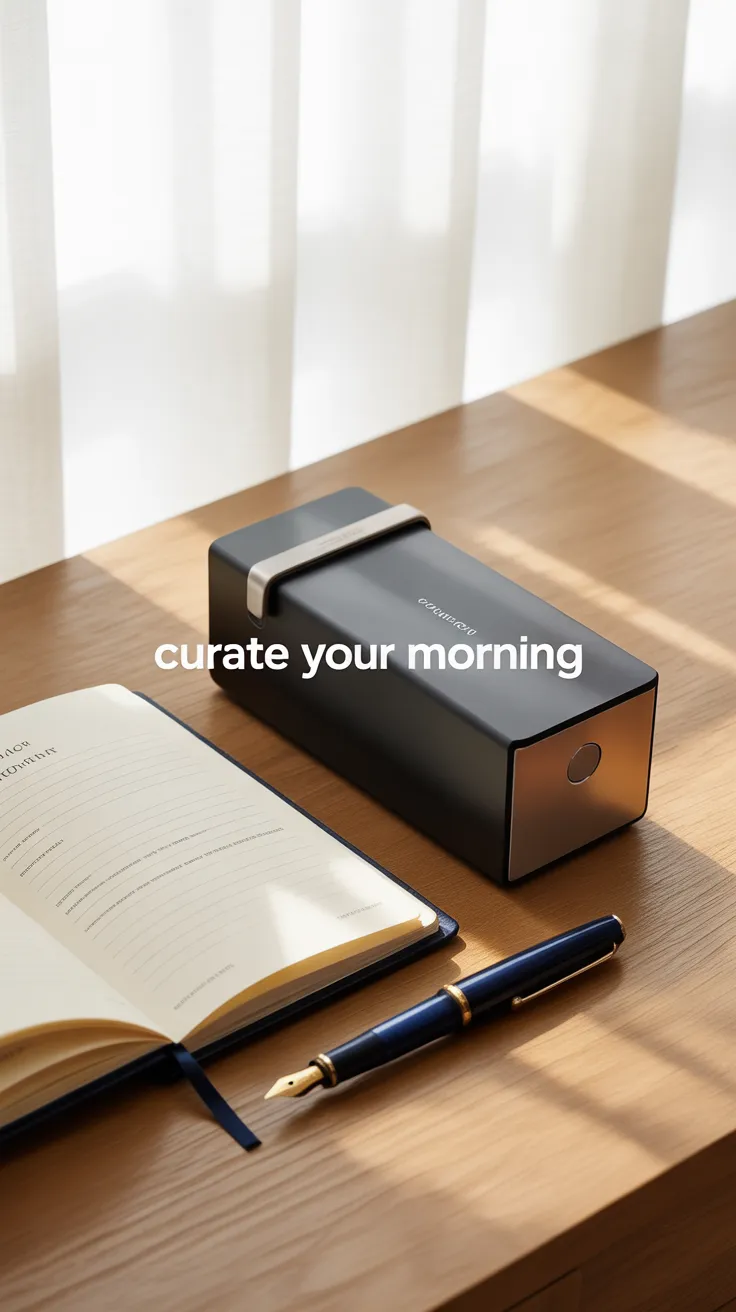
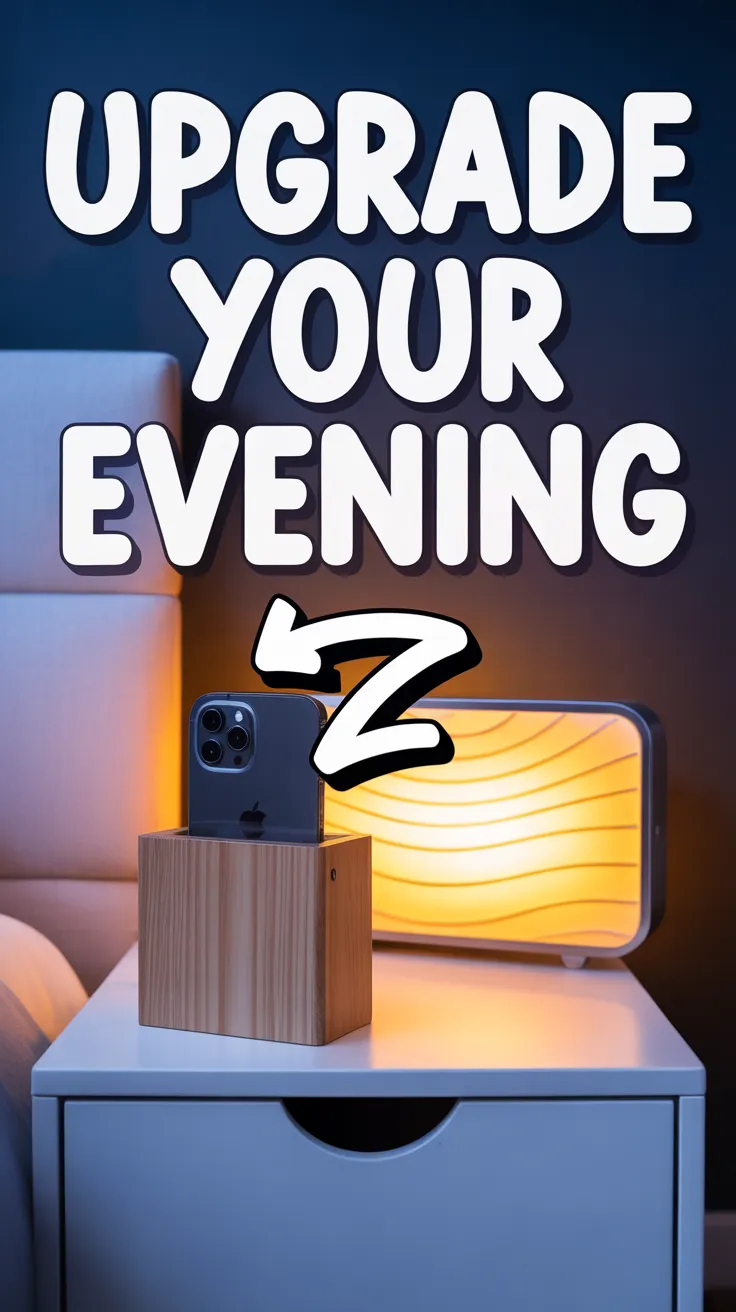
The analogue visual timer eliminates this entirely. It is a physical, screen-free device that you twist to set and watch count down. There is no portal. There is no notification. There is only the slow, satisfying arc of time moving visibly, tangibly, in your physical space.
The Pomodoro Method, Upgraded for the JOMO Lifestyle
The Pomodoro Technique—25 minutes of focused work, followed by a 5-minute break—is one of the most well-researched productivity methods in existence. It works because it makes focused work finite and therefore approachable. “I just have to focus for 25 minutes” is a sentence your brain can accept. “I have to work for three hours” is a sentence your brain will rebel against by opening TikTok.
The analogue visual timer is the perfect Pomodoro tool because it makes time visible. The shrinking colored arc on the timer face gives your brain a concrete, non-digital representation of time passing. Research in cognitive psychology suggests that visual time cues significantly improve task completion rates compared to purely auditory timers—your brain processes the visual information continuously, creating a gentle, persistent awareness of the time remaining without creating anxiety.
The most popular aesthetic versions in 2026 come in muted, Scandinavian-inspired colorways: sage green, dusty rose, warm white, matte black. They sit beautifully on a linen-covered desk beside a ceramic mug and an open journal. They are, genuinely, a piece of functional desk art.
Beyond Work: The Analogue Timer as a Screen-Time Boundary Tool
The visual timer is not just for productivity. Use it to:
- Time your social media use: If you decide to allow yourself 15 minutes of Instagram, set the timer. When it goes off, you close the app. The physical timer makes the boundary real in a way that a phone’s built-in screen time app never will.
- Create a “wind-down window”: Set the timer for 60 minutes before bed to signal the start of your screen-free evening routine.
- Anchor your morning ritual: Set it for 30 minutes of journal time before you’re allowed to check anything digital.
✨ Shop the Focus Kit: Search Amazon for “visual timer Pomodoro” or “Time Timer analogue” to find the most-loved options. The Time Timer brand is a perennial favorite for its clean design and satisfying visual countdown. Pair with a small desk tray or cork board to create a dedicated, phone-free focus station.
V. Tactile Planning: Why the Premium Physical Journal Is the Most Powerful Wellness Tool of 2026
The Neuroscience of Writing by Hand (Your Brain on Paper)
The “analogue era” revival is not just aesthetic nostalgia—it is backed by a growing body of neuroscientific research that is making wellness researchers genuinely excited. Writing by hand activates regions of the brain associated with memory consolidation, emotional processing, and creative thinking in ways that typing simply does not replicate. A 2024 study from the Norwegian University of Science and Technology found that handwriting produces significantly more complex neural connectivity patterns than keyboard input, suggesting that the physical act of forming letters is deeply integrated with how we process and retain information.
In plain language: when you write your goals, your feelings, and your plans by hand, your brain takes them more seriously. They move from the abstract digital realm into your physical, embodied experience. They become real.
This is why the morning journal has become the cornerstone habit of the 2026 JOMO lifestyle. It is not just a trend. It is a neurological upgrade.
What Makes a Journal “Premium” in the JOMO Context
Not all journals are created equal, and in the JOMO aesthetic, the physical quality of your tools matters deeply. A beautiful journal is not vanity—it is a commitment device. You are far more likely to use a journal that feels luxurious and intentional than one that feels like a school notebook. Look for:
- Paper quality: Thick, fountain-pen-friendly paper (90gsm or above) that doesn’t bleed through. Cream or warm white tones are more restful on the eyes than stark white.
- Binding: Lay-flat binding (sewn or perfect-bound) so the journal stays open without being held, freeing both hands for writing.
- Cover material: Genuine or vegan leather covers develop a patina over time, making your journal feel like a personal artifact. Linen covers offer a softer, more organic aesthetic.
- Structure: The best wellness journals for 2026 offer a hybrid structure—some guided prompts for days when you need direction, and blank or dotted pages for free-form writing and sketching.
The JOMO Morning Journal Ritual: A Five-Minute Protocol
You do not need to write for an hour. You need five minutes, a hot drink, and a phone that is still in its lock-box. Try this structure:
- Three things you are grateful for (specific, sensory—not generic).
- One intention for the day (a feeling you want to cultivate, not a to-do list item).
- One thing you are releasing (a worry, a resentment, a comparison).
That’s it. Five minutes. No screen. No algorithm. Just you, your pen, and the extraordinary luxury of your own unmediated thoughts.
The Wellness Journal as a Digital Detox Tool
Many women in the JOMO community use their journal specifically as a phone-replacement habit. Every time you feel the urge to pick up your phone—out of boredom, anxiety, or habit—you pick up your journal instead. You write one sentence. You sketch one small thing. You make one list. The urge passes. The habit slowly rewires.
This is, essentially, a form of cognitive behavioral therapy that you can practice at your desk. The journal becomes the analogue answer to the digital itch.
✨ Shop the Analogue Planning Kit: Search Amazon for “premium wellness journal lay flat,” “leather bound journal women,” or “guided morning journal 2026” to find beautifully designed options. Pair with a set of fine-tip pens or a starter fountain pen set—because the right pen makes the ritual feel sacred, not like homework.
VI. Building Your Complete JOMO Lifestyle: Next Steps for Your Screen-Free Evening
Your Daytime Detox Is Only Half the Equation
Here is something that the wellness industry does not talk about enough: you can do everything right during the day and completely undo it in the two hours before bed.
The blue light emitted by smartphone and laptop screens suppresses melatonin production—the hormone that signals to your body that it is time to sleep—by up to 50%, according to research from Harvard Medical School. This means that a single hour of doomscrolling before bed can delay your sleep onset by 90 minutes or more, reduce your deep sleep cycles, and leave you waking up exhausted despite technically “getting enough hours.”
The morning lock-box ritual, the dumbphone weekend, the Pomodoro timer, and the morning journal are all extraordinary tools. But they work best when they are part of a complete JOMO lifestyle system that extends into your evening.
The Screen-Free Evening Routine: Your Next Step
Creating a truly restorative evening requires its own dedicated toolkit—one that goes beyond the daytime detox gadgets covered in this article. We’re talking about sunrise alarm clocks that wake you with warm light instead of a jarring phone alarm, red light therapy panels that support melatonin production and skin health simultaneously, and specific sleep hygiene tools that transform your bedroom into a genuine sanctuary.
We have covered all of this in depth in our companion piece: The Screen-Free Evening Routine: 6 Neurowellness Tools for Your Best Sleep in 2026. If you are serious about your JOMO lifestyle, this is your essential next read. It will show you exactly how to design the final hours of your day so that you wake up feeling like a different person—calmer, more rested, and more yourself.
→ Read Next: The Screen-Free Evening Routine: 6 Neurowellness Tools for Your Best Sleep in 2026
The Full JOMO Day: What It Actually Looks Like
When you combine the tools from this article with a screen-free evening routine, your day begins to look something like this—and it is genuinely beautiful:
6:30 AM: Your sunrise alarm clock wakes you with warm amber light instead of a jarring notification. Your phone is still in its lock-box. You reach for your journal instead.
7:00 AM: Coffee, journal, five-minute morning ritual. No algorithm. No news. Just your own thoughts, which turn out to be more interesting than you remembered.
9:00 AM: Deep work session begins. Analogue visual timer set for 25 minutes. Phone still locked. You are astonished by how much you accomplish.
12:00 PM: Lock-box opens. You check messages for 15 minutes—timed by your analogue timer. You respond to what matters. You close the box again.
Saturday: Dumbphone weekend. Farmer’s market, coffee shop, park. You are somewhere, fully, for the first time in years.
9:30 PM: Red light therapy, herbal tea, paper book. Phone locked until morning. You fall asleep before 10:30 PM and wake up without an alarm.
This is not a fantasy. This is a lifestyle that is being built, one intentional gadget at a time, by thousands of women across the country right now. You can step into it today.
Your Complete JOMO Starter Kit: The Add-to-Cart Checklist
Everything You Need to Start Your Digital Detox This Weekend
Let’s bring it all together. Below is your complete, curated JOMO lifestyle starter kit—every tool covered in this article, organized by priority so you can build your detox toolkit at whatever pace works for you.
🔒 Tier 1: The Non-Negotiable Foundations
| Tool | What It Does | Search Term on Amazon |
|---|---|---|
| Timed Phone Lock-Box | Creates a physical, unbreakable boundary between you and your phone. The #1 most effective digital detox tool. | “timed phone lock box” / “kitchen safe time locking container” |
| Analogue Visual Timer | Replaces your phone alarm for Pomodoro sessions and screen-time boundaries. Screen-free, beautiful, functional. | “Time Timer visual” / “Pomodoro visual timer desk” |
| Premium Wellness Journal | Replaces your Notes app, your digital planner, and your late-night scroll habit with a tactile, neurologically superior alternative. | “premium wellness journal lay flat” / “leather morning journal women” |
📱 Tier 2: The Weekend Upgrade
| Tool | What It Does | Search Term on Amazon |
|---|---|---|
| Minimalist Dumbphone / Y2K Flip Phone | Your weekend companion. Calls, texts, and presence—nothing else. The ultimate JOMO status symbol. | “minimalist flip phone unlocked GSM” / “Light Phone” / “Y2K flip phone pink” |
| Clear Tech Pouch | A dedicated aesthetic home for your offline kit—dumbphone, earbuds, lip balm. Signals intentionality. | “clear tech pouch organizer” / “aesthetic clear zipper pouch” |
🌿 Tier 3: The Aesthetic Details That Make It a Ritual
| Tool | What It Does | Search Term on Amazon |
|---|---|---|
| Fine-Tip Pen Set or Starter Fountain Pen | Elevates your journaling ritual from a habit to a ceremony. The right pen changes everything. | “fine tip journaling pens set” / “beginner fountain pen set” |
| Small Ceramic or Wooden Desk Tray | A dedicated surface for your lock-box, timer, and journal. Creates a visual “detox station” on your desk. | “minimalist desk tray ceramic” / “wooden catchall tray desk” |
The JOMO Lifestyle vs. Smartphone Default: A Quick Comparison
| Experience | Smartphone Default | JOMO Lifestyle Toolkit |
|---|---|---|
| Morning wake-up | Phone alarm → immediate notifications → cortisol spike → reactive day | Phone locked → journal → intentional start → focused day |
| Focus sessions | iPhone timer → notification detour → 14-minute scroll spiral | Analogue visual timer → zero portals → task completed |
| Weekend outing | Smartphone in hand → half-present → documenting instead of experiencing | Dumbphone in pouch → fully present → actually there |
| Planning & reflection | Notes app → distraction-adjacent → easily ignored | Premium journal → neurologically engaging → goals become real |
| Evening wind-down | Doomscroll → blue light → delayed sleep → exhausted morning | Phone locked → screen-free ritual → deep sleep → energized morning |
VII. Unplug to Recharge: Your JOMO Journey Starts Now
Here is the thing about the JOMO lifestyle that no one tells you until you are already living it: it is not about what you are giving up. It is about what you are getting back.
You are getting back your attention span—the one that used to let you read a novel in an afternoon, follow a complex conversation without mentally drifting, sit in a beautiful place and actually feel it.
You are getting back your creativity—the kind that only emerges in the quiet spaces between inputs, the kind that the algorithm has been colonizing with content for years.
You are getting back your nervous system—the one that is supposed to spend most of its time in a calm, parasympathetic state rather than the low-grade fight-or-flight of constant notification anxiety.
And you are getting back something harder to name but immediately recognizable when it returns: the sense that your life is yours. That your attention is a resource you choose to spend, not a commodity being harvested by people you have never met.
The tools in this article are not complicated. They are not expensive relative to what you are already spending on your phone bill, your apps, your subscriptions. They are physical, beautiful, and effective. A lock-box. A dumbphone. A timer. A journal. Small objects with enormous leverage.
You do not have to do everything at once. Start with the lock-box and the journal. Do one dumbphone weekend. Set the timer for one Pomodoro session without your phone in the room. Notice how it feels.
Then keep going.
The offline world is still here. It has been waiting for you. And it is so much better than the feed.
✨ Ready to Start? Shop the Complete JOMO Starter Kit on Amazon: Use the search terms from the checklist above to find the exact aesthetic, screen-free tools that will anchor your digital detox in 2026. Your nervous system will thank you by Thursday.
→ Continue Your JOMO Journey: Read The Screen-Free Evening Routine: 6 Neurowellness Tools for Your Best Sleep in 2026
Disclosure: This article contains affiliate links. If you purchase through our links, we may earn a small commission at no additional cost to you. We only recommend products we genuinely believe in for the JOMO lifestyle.
“`