
The Best Fluffy Pancakes recipe you will fall in love with. Full of tips and tricks to help you make the best pancakes.

I. Your Nightstand Is Lying to You — And It’s Time to Fix That
Close your eyes for a second. Think about the last time you actually loved the way your nightstand looked.
Not just tolerated it. Not just accepted the tangle of USB-C cables and that one generic white charger you’ve had since 2019. Actually loved it — the way you love a Pinterest board that makes your chest feel warm, or the way a perfectly curated bedroom photo on Tumblr from 2004 makes you feel nostalgic for a childhood you almost can’t remember.
For most of us, that moment doesn’t exist. Because somewhere along the way, “minimalist” became the default aesthetic for bedroom tech, and we all just… accepted it. Matte black. Flat white. Invisible. Boring.
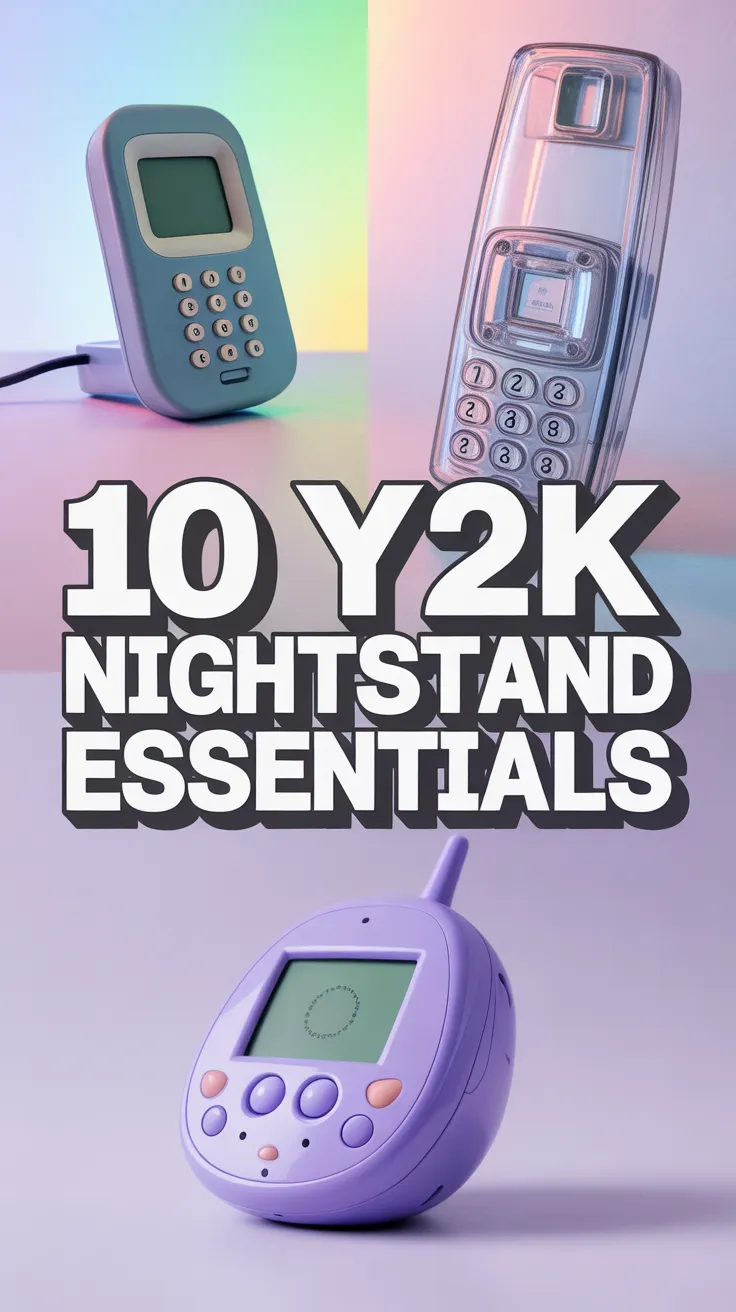
But here’s the thing: the girls who are absolutely winning on Pinterest right now? Their nightstands look nothing like that. They have glowing transparent phones casting a soft blue light across their pillows. They have tiny Macintosh computers — fully functional fast chargers — sitting next to their water bottles like little digital sculptures. They have speakers that look like they belong in a 2001 electronics catalog, and Tamagotchis in pastel cases that make their bedside table feel like a time capsule from the best decade in tech history.
This is the Y2K nightstand era, and it is absolutely having a moment.
The cultural shift is real and it’s data-backed. Google Trends shows searches for “Y2K room decor” have increased by over 300% since 2021. On TikTok, the hashtag #y2kaesthetic has accumulated billions of views, with bedroom and nightstand content consistently outperforming every other category. And on Pinterest, “aesthetic nightstand ideas” boards dominated by transparent gadgets, pink devices, and retro tech are being saved at record rates by women aged 18–34.
The psychology behind it makes complete sense. After years of “clean girl aesthetic” and ultra-minimalism, there’s a collective hunger for personality. For color. For the tactile satisfaction of pressing a physical button. For tech that doesn’t just function — tech that feels like something.
That’s exactly what this guide is built for. We’ve curated 10 of the most aesthetic, most functional, and most Pinterest-worthy Y2K electronics specifically designed to upgrade your nightstand from forgettable to completely iconic. Each one has been selected not just for its retro look, but for its actual daily utility — because the best aesthetic pieces are the ones you actually use.
Let’s build your 2004 bedside dream.
II. The Psychology of the Y2K Tech Revival (Why We’re All Going Back)
Before we get into the actual products, it’s worth spending a moment on the why — because understanding the psychology of this trend is what separates a nightstand that looks intentionally curated from one that just looks like you bought random stuff from Etsy.
The Brain Science of Nostalgia
Nostalgia isn’t just a feeling. Neuroscientists at the University of Southampton have studied it extensively and found that nostalgic experiences trigger the brain’s reward system — the same pathways activated by food, music, and social connection. When you see a transparent iMac-style device or hear the startup chime of a 2000s gadget, your brain isn’t just remembering the past. It’s generating a genuine emotional reward in the present.
For Gen Z — who were born between 1997 and 2012 — this is particularly potent. Many of them were toddlers or young children during the Y2K era, which means their memories of that time are soft-focused, warm, and idealized. They remember the vibe without the stress. The colorful translucent plastic of a Game Boy Color. The glow of a landline phone in a darkened bedroom. The chunky, satisfying click of a flip phone closing.
For Millennials, it’s even more direct — this is their actual childhood, and revisiting it through carefully chosen objects creates a powerful sense of emotional continuity.
The Rebellion Against Smartphone Monoculture
There’s also a genuine cultural rebellion happening here. Reddit communities like r/nosurf, r/digitalminimalism, and r/FemaleFashionAdvice are full of threads where women in their 20s and 30s talk about their complicated relationship with their iPhones. The themes are consistent: blue light fatigue, the anxiety of being constantly reachable, the way a smartphone’s black mirror screen makes even the most beautiful bedroom feel clinical and corporate.
Y2K tech offers a different proposition. A transparent speaker doesn’t have a notification badge. A retro charger doesn’t have a social media app. A Tamagotchi demands exactly the right amount of attention — a quick check-in, a little care — without the infinite scroll that eats hours without warning.
These aren’t just decorative objects. They’re quiet acts of reclaiming your space.
The “Pinterest-Ready” Bedroom Economy
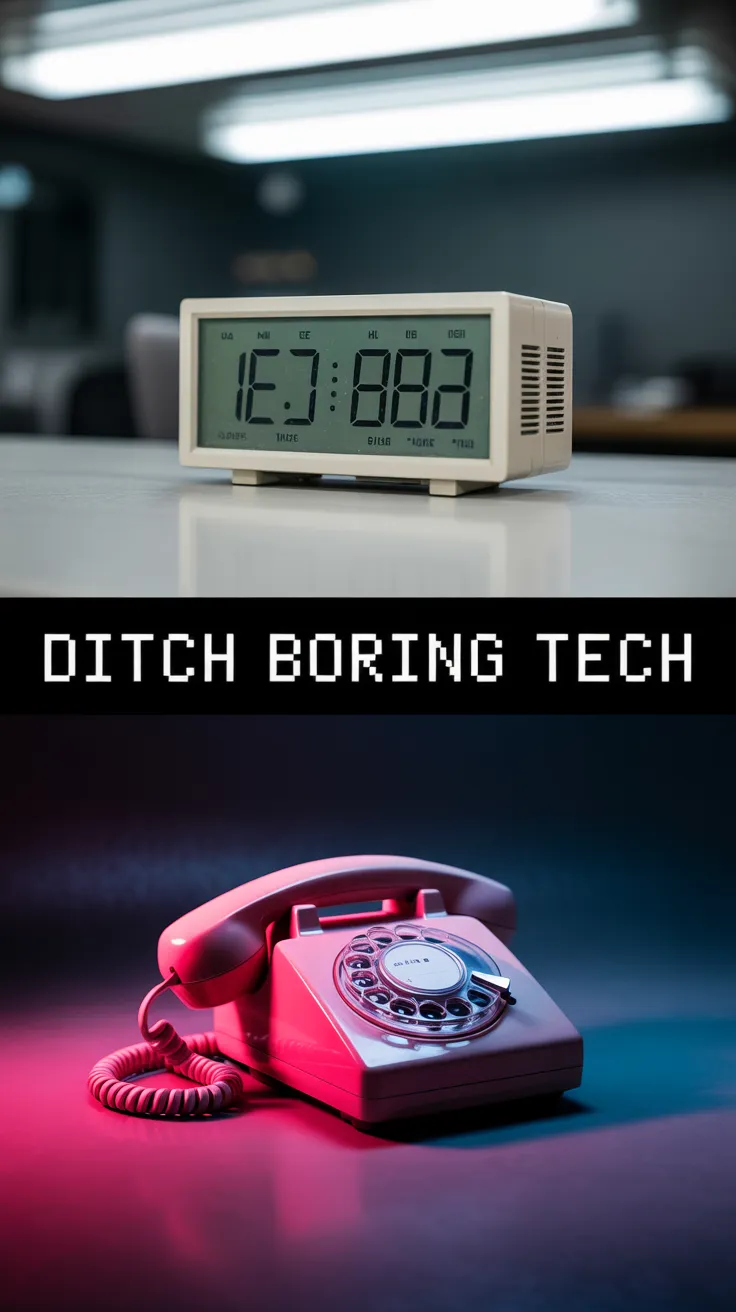
And then there’s the purely aesthetic dimension. The modern bedroom isn’t just a place to sleep — for women aged 18–34, it’s a curated environment that reflects identity and is increasingly shared online. A nightstand with a glowing transparent phone and a tiny retro Macintosh charger doesn’t just look good in person. It photographs beautifully. It creates content. It becomes part of a visual language that signals taste, personality, and cultural awareness.
This is why the Y2K nightstand trend isn’t a passing fad. It’s the intersection of nostalgia psychology, digital wellness culture, and the very real economics of aesthetic self-expression. And the products that nail all three of those dimensions simultaneously? Those are the ones worth investing in.
III. The Power Station: Why the SHARGE 67W Retro Macintosh Charger Is the Ultimate Nightstand Flex
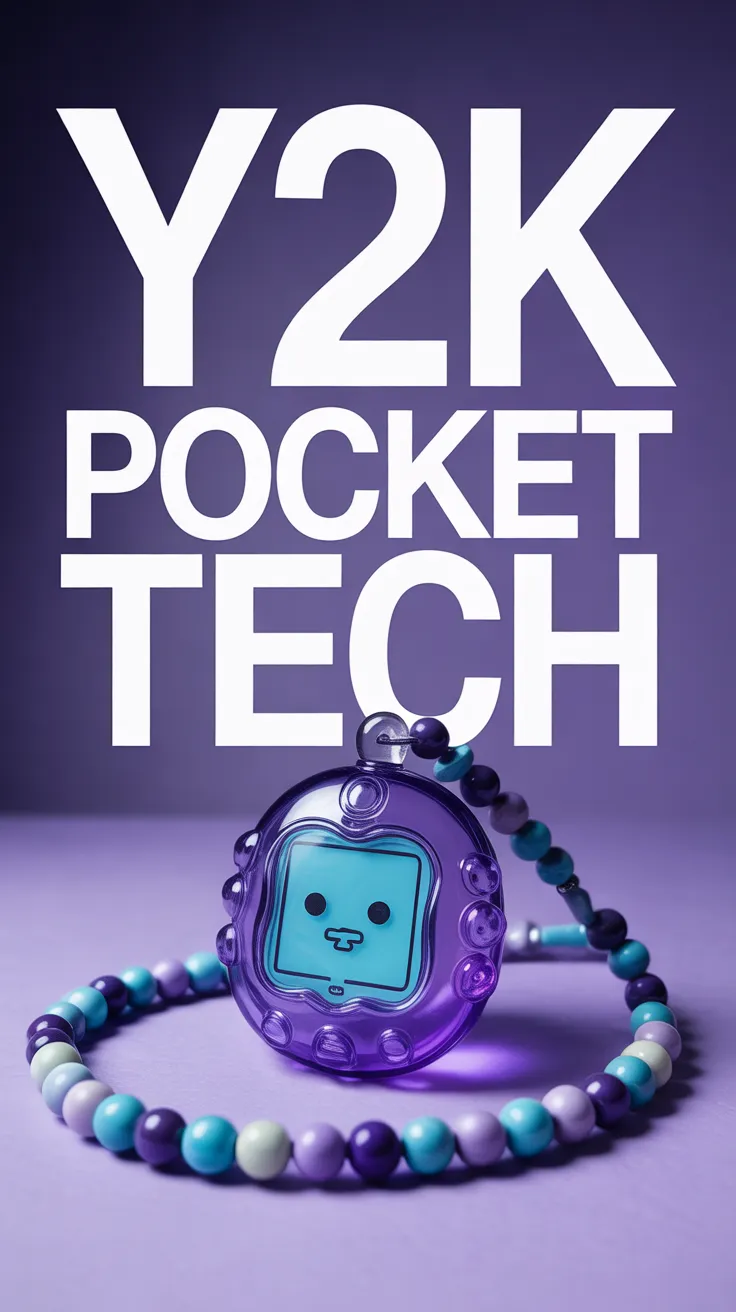
Let’s start with the piece that will anchor your entire nightstand aesthetic: the charger.
Most people treat their charger as an afterthought. It’s the thing you plug in before you sleep, shove behind a lamp, and ignore until your phone dies. But here’s the reframe: your charger is on your nightstand every single night. It’s one of the most consistently visible objects in your bedroom. And right now, you probably have something that looks like a small white rectangle of pure visual mediocrity.
Enter the SHARGE 67W GaN Retro Macintosh Charger
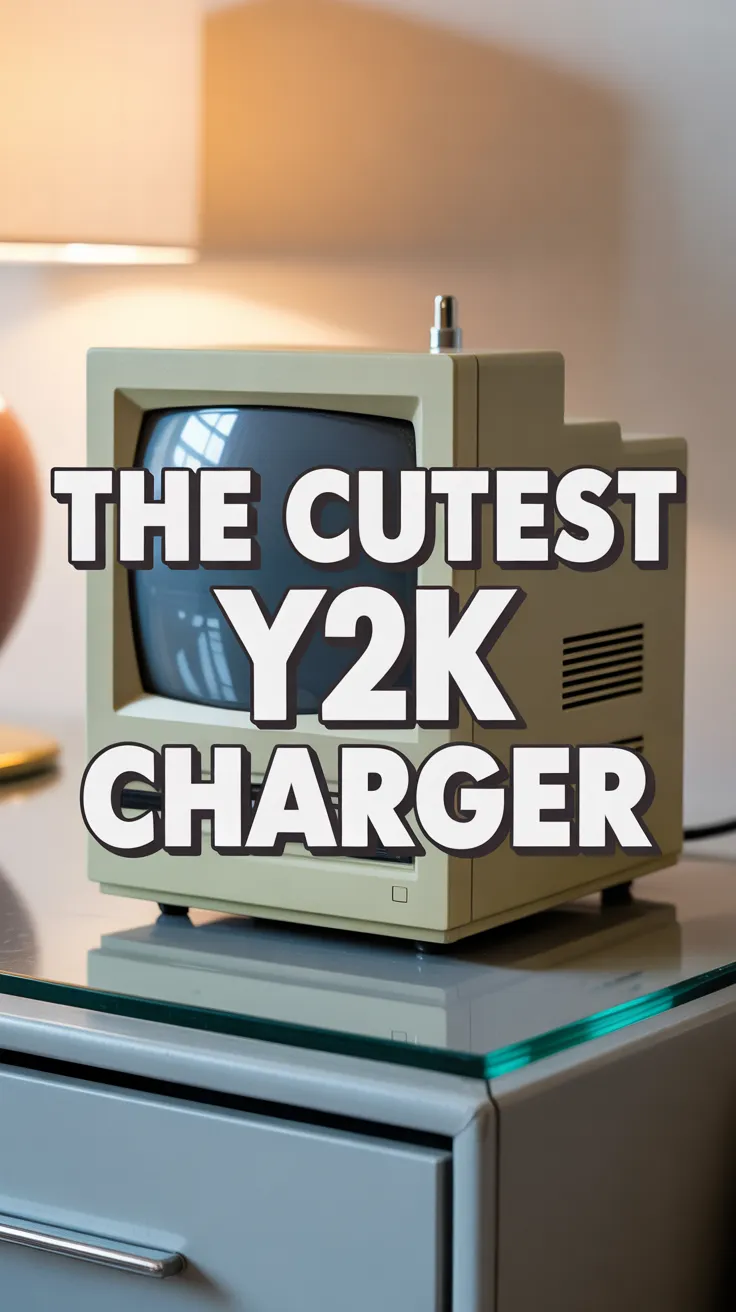
The SHARGE 67W GaN Charger is, without exaggeration, one of the most delightful pieces of functional tech released in the last several years. It is designed to look exactly like a miniature vintage Macintosh computer — the original 1984 model, with its boxy cream-colored casing, its tiny “screen” display, and its unmistakable silhouette that defined an entire era of personal computing.
But this isn’t a paperweight. This is a fully functional 67W GaN (Gallium Nitride) fast charger with a built-in display that shows real-time wattage output. It has multiple ports — USB-C and USB-A — capable of simultaneously charging your phone, your AirPods, and your laptop at genuinely fast speeds. The GaN technology means it runs cooler and more efficiently than traditional silicon chargers, which matters for something that’s going to be plugged in next to your pillow every night.
The Nightstand Case for It
Practically speaking, 67W is more than enough to fast-charge any modern iPhone or Android overnight and still have capacity left over for a second device. The display readout — which shows exactly how many watts are being delivered — is genuinely useful, not just decorative. And the form factor is compact enough to sit neatly on a nightstand without dominating the space.
But let’s be honest about why you actually want this: it looks like a tiny Macintosh computer sitting on your nightstand, and that is deeply cool in a way that no amount of spec sheets can fully capture. It’s the kind of object that makes people stop, look twice, and immediately ask where you got it.
That’s the nightstand flex. That’s the conversation starter. That’s the piece that makes your entire bedside setup look intentional rather than accidental.
➤ Shop the Aesthetic: Find the SHARGE 67W Retro Macintosh Charger on Amazon →
Comparison: Retro Charger vs. Standard Nightstand Chargers
| Feature | SHARGE 67W Retro Mac Charger | Generic White USB-C Charger | Apple 20W MagSafe Charger |
|---|---|---|---|
| Max Wattage | 67W | 20–30W | 15W (wireless) |
| Number of Ports | 2–3 (USB-C + USB-A) | 1 | 1 |
| Wattage Display | ✅ Yes (real-time) | ❌ No | ❌ No |
| Aesthetic Design | ⭐⭐⭐⭐⭐ Vintage Macintosh | ⭐ Generic Rectangle | ⭐⭐ Clean but boring |
| GaN Technology | ✅ Yes (runs cool) | ❌ No | N/A |
| Nightstand Vibe | Y2K Dream Object | Visual Clutter | Forgettable |
| Pinterest-Worthy? | Absolutely | No | Barely |
IV. Late Night Playlists: The Small Transparent Speaker That’s Also a Piece of Art

Here’s a question: when was the last time a speaker made you feel something just by looking at it?
Not the sound it produced. Not the playlist it was playing. Just the object itself, sitting on a surface, catching the light.
For most people, the answer is never — because most speakers are designed to disappear. They’re meant to be acoustically optimized black cylinders or fabric-covered pucks that blend into the background. The assumption is that you’re buying sound, not sculpture.
The Transparent Speaker Aesthetic
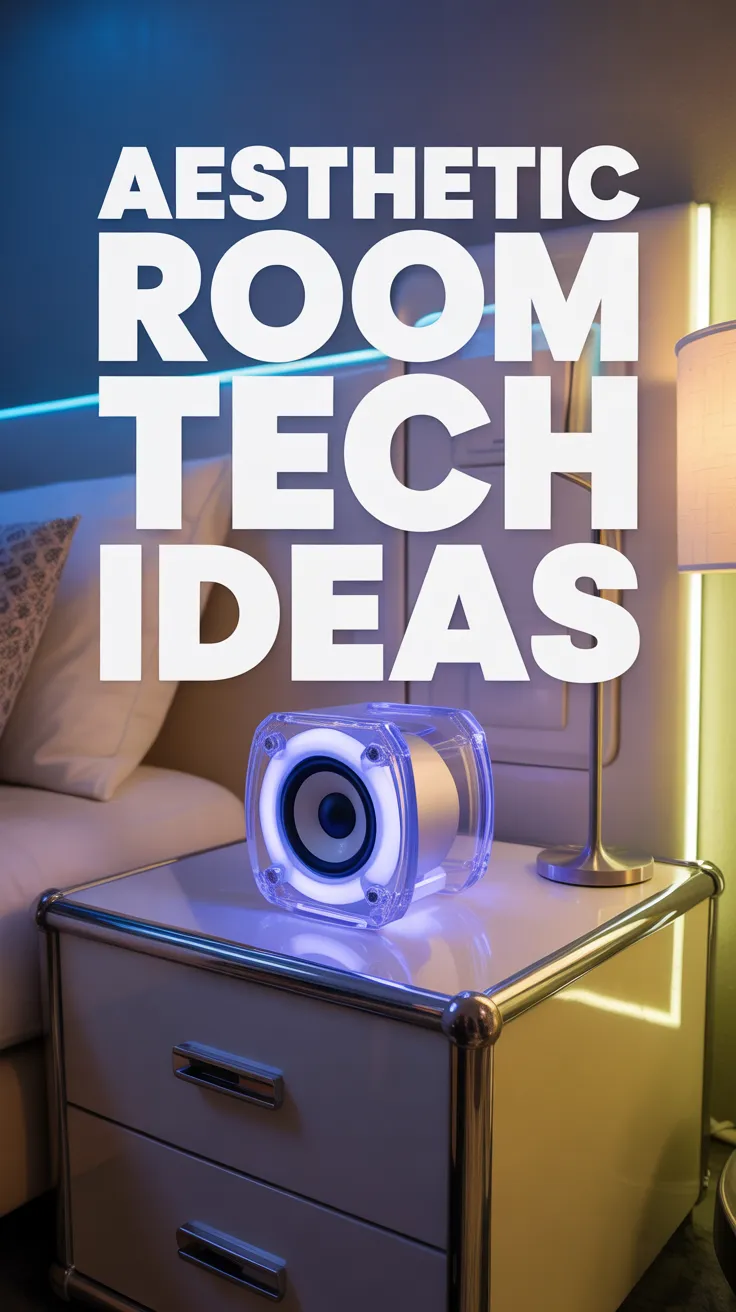
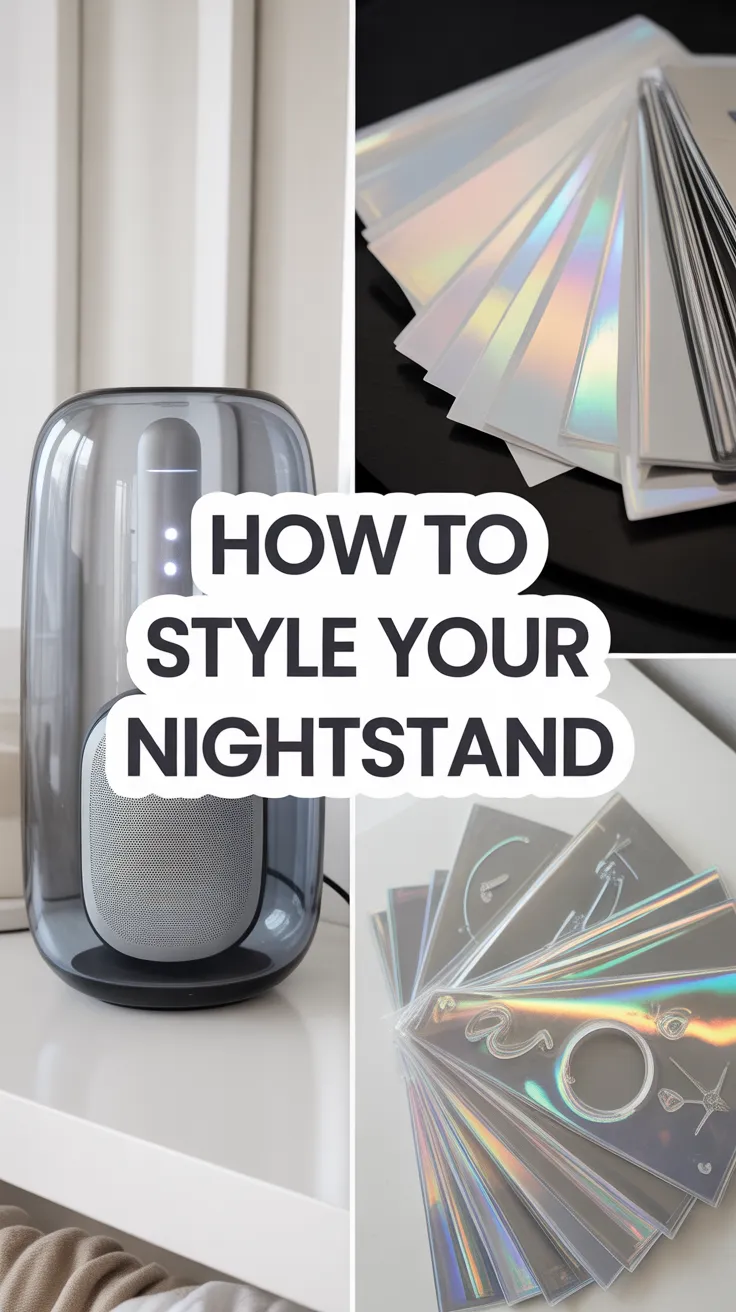
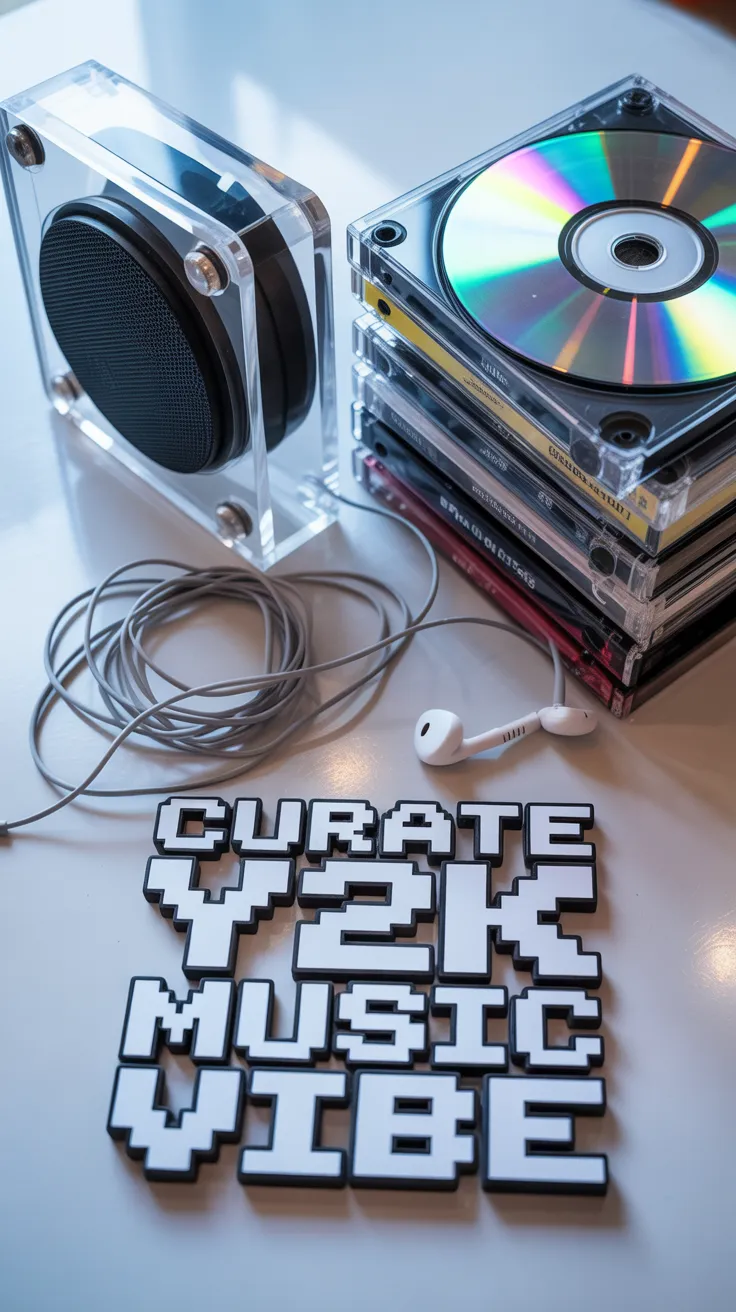
The Small Transparent Speaker flips that assumption entirely. Built with a tempered glass body and an aluminum frame, it is designed to be seen as much as heard. The internal components — the circuit board, the speaker cone, the wiring — are all visible through the clear casing, creating that quintessential Y2K “see-through everything” aesthetic that defined the era of transparent iMacs, clear Game Boys, and see-through Nokia phones.
On a nightstand, the effect is genuinely stunning. At night, the internal LED lighting (present in several popular transparent speaker models) casts a soft glow through the glass casing, creating an ambient light effect that’s warm enough to be calming without being bright enough to disrupt sleep. It’s simultaneously a speaker, a night light, and a decorative object — three nightstand functions consolidated into one beautiful piece.
The Sound Quality Reality Check
Aesthetic without function is just decoration. So let’s talk about what these speakers actually sound like. The best small transparent speakers in this category deliver surprisingly full sound for their size — typically 5W to 10W output, with Bluetooth 5.0 connectivity, 6–8 hour battery life, and a frequency response that handles the mid-range warmth of early 2000s pop, R&B, and indie music particularly well.
They’re not going to replace a dedicated home audio system. But for a nightstand — where you’re playing lo-fi playlists while you journal, or early 2000s Destiny’s Child while you do your skincare routine — they are absolutely perfect. The sound is present, clear, and warm, and the volume range is ideal for a bedroom environment.
The Bluetooth range on most models extends easily across a standard bedroom, which means you can connect from your phone on the other side of the room without any dropouts. And the USB-C charging means you can power it from the same SHARGE retro Macintosh charger sitting right next to it — a detail that makes the whole nightstand setup feel cohesive and intentional.
Why It Works as Y2K Decor
The transparent aesthetic isn’t just a visual trend — it’s a philosophical one. In the late 1990s and early 2000s, transparent and translucent design was a statement about openness, about showing your work, about making the invisible visible. The iMac G3’s translucent Bondi Blue casing was revolutionary precisely because it said: look at the inside. There’s nothing to hide.
On your nightstand in 2024, a transparent speaker carries that same energy. It’s confident. It’s curious. It’s the kind of object that rewards closer inspection, and that quality — the sense that there’s always more to discover — is exactly what separates memorable aesthetic pieces from forgettable ones.
➤ Shop the Aesthetic: Browse Small Transparent Speakers on Amazon →
V. The Iconic Bedside Staple: Clear Landline Phones and the Glow-Up of Transparent Tech
If there is one single object that defines the Y2K nightstand aesthetic more than any other, it is the transparent landline phone.
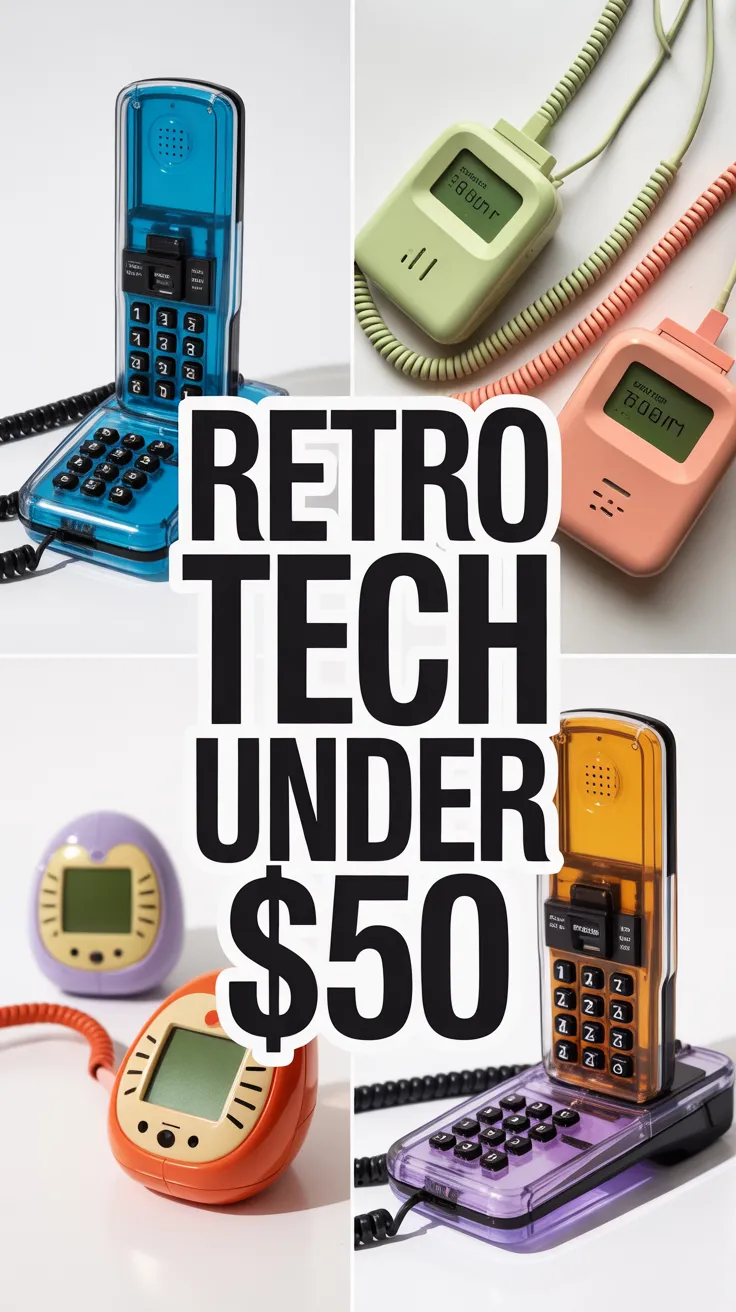
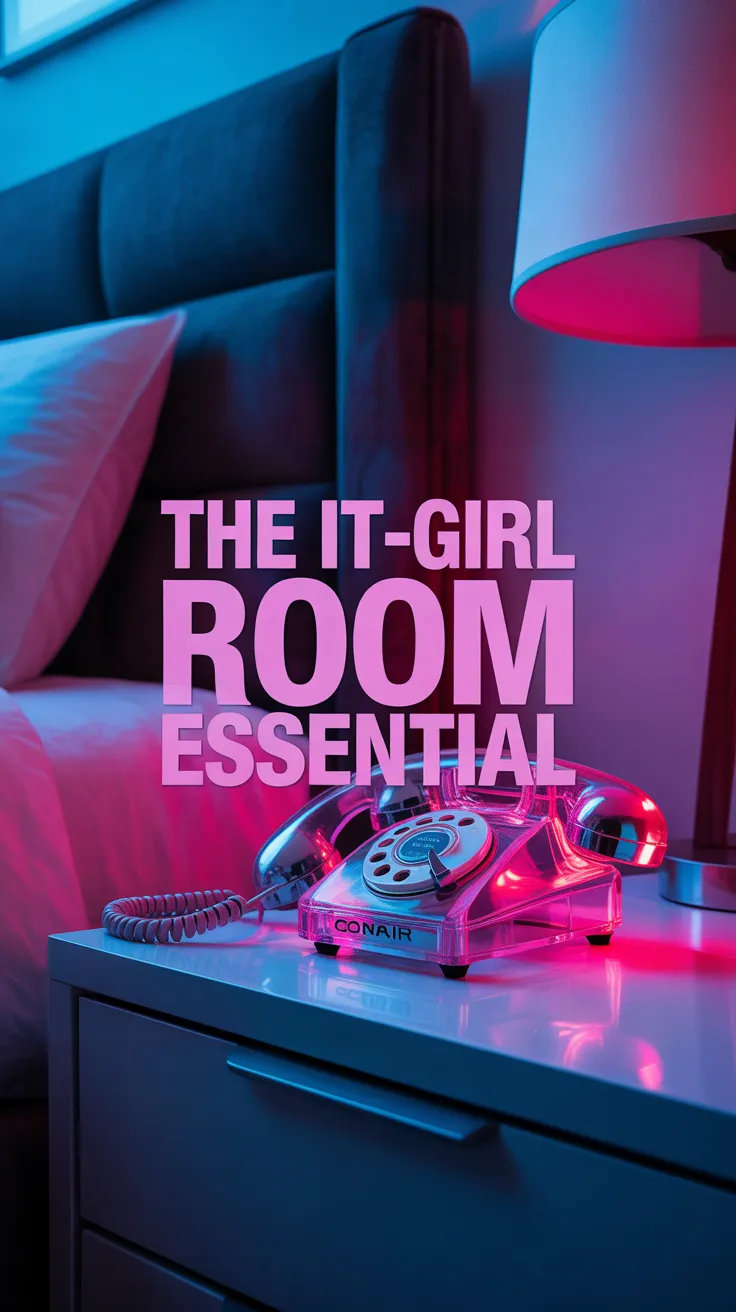
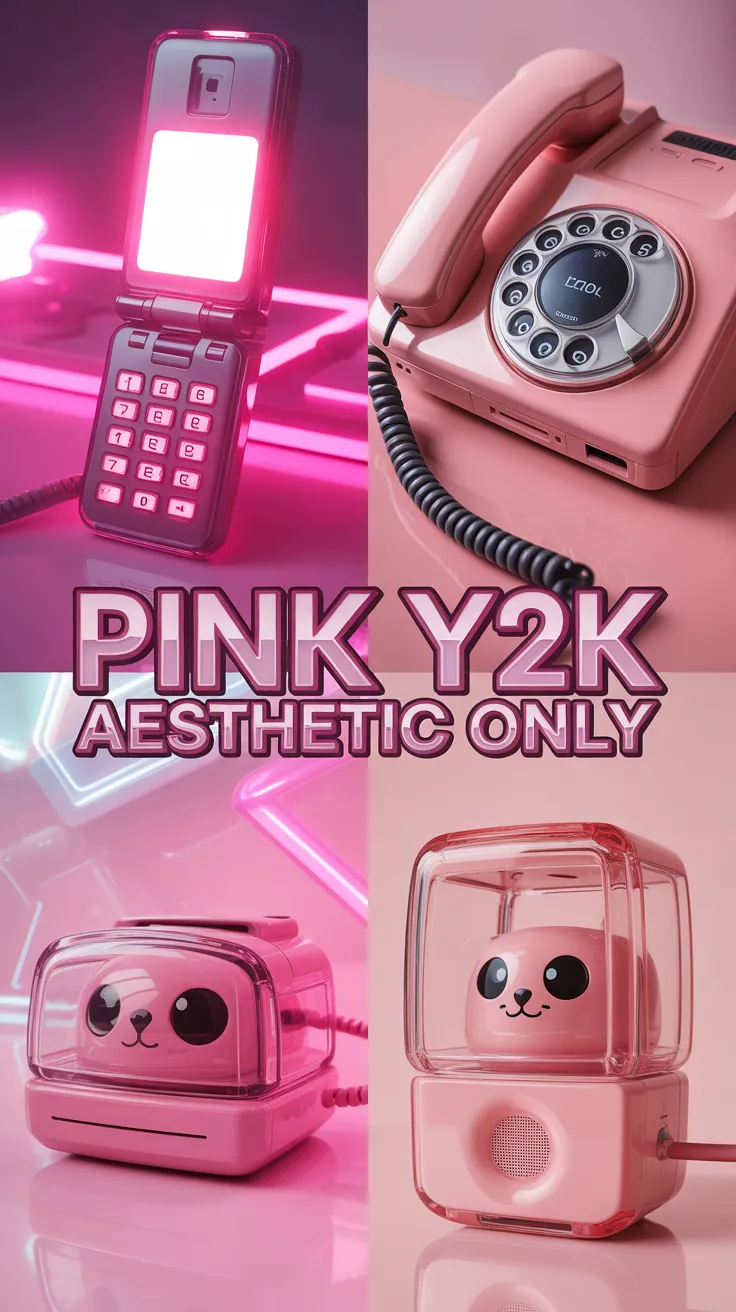
You know the one. Clear plastic housing. Visible circuit board inside. Buttons that light up in blue or green. A cord that spirals in a satisfying coil. The kind of phone that appeared in every late-90s teen bedroom movie, every early-2000s sleepover scene, every coming-of-age story set in the era before smartphones made landlines obsolete.
The Cultural Weight of the Clear Phone
The transparent landline phone is not just a piece of tech. It’s a cultural artifact. It represents a specific kind of communication — intimate, tethered, private in the way that only a phone in your own bedroom could be. You stretched the cord as far as it would go. You whispered. You laughed until your stomach hurt. The phone was a physical connection to the people you loved, and its transparency — the fact that you could see its insides — made it feel honest and personal in a way that a sleek modern smartphone never quite manages.
Brands like Conair and Unisonic produced some of the most iconic versions of these phones, and today, modern reproductions and vintage finds are experiencing a massive revival. Whether you find an original on eBay or a new reproduction on Amazon, the effect on a nightstand is immediate and powerful: instant personality, instant nostalgia, instant aesthetic credibility.
Functional or Purely Decorative? Either Works.
Here’s the honest truth: most people who put a clear landline phone on their nightstand in 2024 are not actually using it to make calls. And that’s completely fine. As a purely decorative object, a vintage-style transparent phone earns its nightstand real estate through sheer visual impact. The illuminated buttons, the visible circuitry, the coiled cord draped artfully over the edge of the table — it’s a composition that photographs beautifully and creates an immediate sense of place and personality.
But if you do want to plug it in and use it — either through a traditional landline connection or via a VoIP adapter — many of these phones are fully functional. There’s something genuinely delightful about receiving a call on a glowing transparent phone, hearing the ringer, and picking up a physical handset. It’s a completely different sensory experience from tapping a green circle on a touchscreen, and for a lot of people, that difference is the whole point.
Look for models with LED illumination (blue and green are the most Y2K-authentic color options), a visible circuit board design, and a traditional coiled handset cord. The cord is non-negotiable — it’s 80% of the aesthetic.
➤ Shop the Aesthetic: Find Transparent Retro Landline Phones on Amazon →
VI. Digital Pets as Decor: The Tamagotchi Comeback and What It Means for Your Nightstand
In 1996, Bandai released a small egg-shaped digital device that would go on to sell over 82 million units worldwide and become one of the defining objects of an entire generation’s childhood. The Tamagotchi was, on paper, a simple thing: a tiny LCD screen, three buttons, and a pixelated creature that needed feeding, playing with, and putting to sleep.
But what it actually was — and what it still is, for the millions of people who remember it — was something much more significant. It was a first experience of responsibility, of care, of the specific anxiety and joy of keeping something alive. It was a relationship with an object that felt genuinely reciprocal, even if you knew intellectually that it was just code running on a battery.
Why Tamagotchis Are Perfect Nightstand Objects in 2024
Bandai has re-released the original Tamagotchi in multiple waves since 2017, and the response has been extraordinary. The Tamagotchi Uni — the most recent flagship model — features a color screen, built-in Tamagotchi Town world, and even Wi-Fi connectivity for connecting with other Tamagotchi owners. But the original re-releases, with their faithful recreation of the classic 1997 design and pixelated gameplay, remain the most beloved for pure nostalgia purposes.
On a nightstand, a Tamagotchi serves several functions simultaneously. Aesthetically, the egg-shaped form and pastel colorways (pink, yellow, purple, mint) add a pop of color that complements the clear and transparent aesthetic of the other Y2K tech pieces. The keychain loop means you can hang it from a small hook or stand it on a tiny display easel for maximum visual impact.
Functionally, checking your Tamagotchi has become a form of mindful morning ritual for a growing community of adult owners. Before you reach for your phone and immediately plunge into notifications, emails, and social media, you check on your digital pet. Feed it. Play a quick game. Put it to sleep. It’s a 90-second interaction that grounds you in something simple and tactile before the day begins — a tiny act of digital wellness that feels meaningful precisely because of its smallness.
The Healing Inner Child Angle
There’s a growing conversation in wellness spaces — particularly on TikTok and in therapy communities — about “inner child healing” and the role that nostalgic objects can play in emotional wellbeing. The Tamagotchi fits perfectly into this framework. For women who grew up in the late 90s and early 2000s, having a Tamagotchi on their nightstand is a daily, gentle reminder of a simpler time — a time before career anxiety, before the constant performance of social media, before the weight of adult responsibility.
It doesn’t solve those problems. But it offers a small, daily moment of uncomplicated joy. And on a nightstand — the first thing you see in the morning, the last thing you see at night — a small moment of uncomplicated joy is worth more than almost anything else you could put there.
➤ Shop the Aesthetic: Shop Tamagotchi Original Re-Releases on Amazon →
VII. The Supporting Cast: 6 More Y2K Electronics to Complete Your Nightstand
The anchor pieces — the retro charger, the transparent speaker, the clear landline, the Tamagotchi — create the foundation of your Y2K nightstand aesthetic. But the best curated spaces have layers. Here are six more pieces that will take your bedside table from “cute” to “completely iconic.”
1. A Transparent or Pastel Digital Alarm Clock
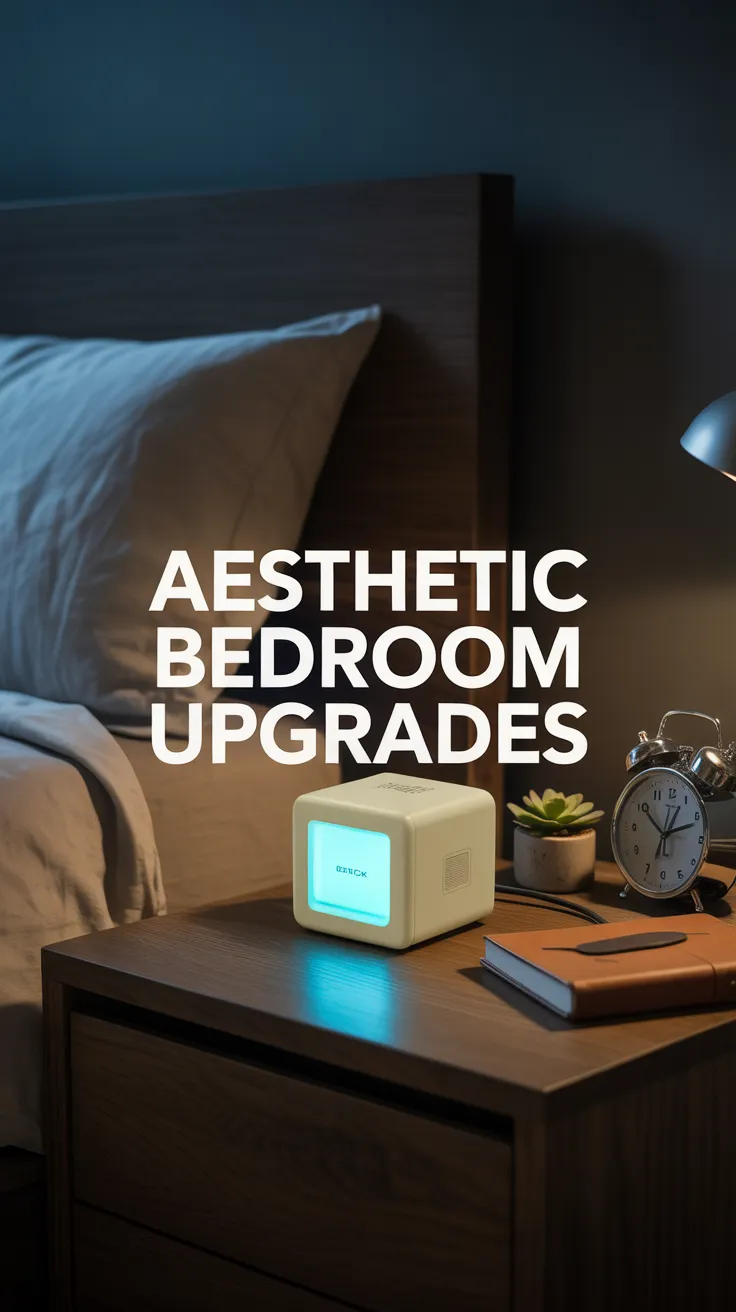
The humble alarm clock is due for a comeback. Sleeping with your phone across the room (a genuine sleep hygiene recommendation from most sleep researchers) means you need a dedicated alarm — and a transparent LED digital clock or a pastel-colored retro flip clock fills that role while adding serious aesthetic value. Look for models with a soft amber or blue LED display and a clear acrylic casing for maximum Y2K authenticity.
2. A Mini Lava Lamp
The lava lamp is perhaps the single most Y2K object in existence. A mini version — 10 to 14 inches tall — is perfectly proportioned for a nightstand and creates a mesmerizing ambient light effect that no LED strip or smart bulb can replicate. The slow, organic movement of the wax blobs is genuinely calming, and the warm glow they cast makes any bedroom feel immediately more intimate and cozy. Mathmos, the original lava lamp manufacturer, still makes some of the best versions available.
3. A Polaroid or Instax Mini Camera on Display
You don’t have to use it every day. But a Polaroid Now or Fujifilm Instax Mini camera sitting on your nightstand — ideally in a pastel colorway, surrounded by a few of its own photos clipped to a small wire frame — is one of the most powerful aesthetic statements you can make in a bedroom. It signals creativity, spontaneity, and a preference for tangible memories over digital ones. The Instax Mini 12 in Blossom Pink is particularly perfect for this application.
➤ Shop the Aesthetic: Find the Instax Mini 12 in Blossom Pink on Amazon →
4. A Beaded Phone Charm or Cable Organizer
This is the impulse buy that ties the whole look together. Beaded accessories — whether they’re attached to your charging cable, your Tamagotchi keychain, or hanging from a small hook on your nightstand — are one of the most distinctly Y2K aesthetic elements available at any price point. They add color, texture, and a handmade quality that balances the harder lines of the tech pieces. Look for beaded cable organizers or cord wraps in pastel and iridescent colorways on Etsy or Amazon.
5. A Retro MP3 Player or iPod Mini
If you want to take the digital detox angle seriously, a dedicated music player for your nightstand is one of the most impactful changes you can make. An original iPod Mini (findable on eBay in excellent condition) or a modern retro-styled MP3 player gives you music without the smartphone — which means no notification temptation, no blue light from a large screen, and a much more intentional listening experience. Load it with your favorite early 2000s playlists and let it sit on your nightstand as both a functional device and a deeply nostalgic object.
6. A Small Holographic or Iridescent Jewelry Dish
Not every nightstand piece has to be electronic. A holographic or iridescent ceramic dish — for your rings, earrings, and whatever small accessories you take off before bed — adds the color-shifting, light-catching quality that defined Y2K fashion and design. It’s functional, beautiful, and creates a visual bridge between the tech pieces and the softer, more personal elements of your bedside setup.
VIII. Style Pitfalls and Setup Tips: How to Actually Make This Look Good
Buying the right pieces is only half the equation. How you arrange them matters just as much. Here are the most common Y2K nightstand mistakes — and how to avoid them.
Pitfall #1: Too Much of the Same Color
The Y2K aesthetic thrives on contrast. Clear and transparent pieces need color counterpoints — a pastel Tamagotchi, a warm lava lamp glow, a beaded charm in a saturated hue. An all-transparent nightstand reads as cold and clinical rather than nostalgic and warm. Aim for a mix of clear/transparent pieces with two or three accent colors drawn from the pastel and iridescent Y2K palette.
Pitfall #2: Ignoring Cord Management
Nothing destroys a curated aesthetic faster than a tangle of random charging cables. Use a beaded cable wrap or a small cable management box (clear acrylic, obviously) to keep your charging setup looking intentional. The SHARGE retro charger already looks great on its own — don’t undermine it with a rat’s nest of cables.
Pitfall #3: Overcrowding the Surface
More is not always more. Pick five to seven pieces maximum for a standard nightstand. The anchor pieces (charger, speaker, phone) should be your foundation, with the smaller impulse pieces (Tamagotchi, jewelry dish, beaded accessories) filling in the gaps. Leave some negative space — it makes each piece feel more intentional and gives the eye somewhere to rest.
Pitfall #4: Forgetting Ambient Light
The Y2K nightstand is a nighttime aesthetic as much as a daytime one. Make sure at least two of your pieces emit light — the transparent phone’s LED buttons, the speaker’s internal glow, the lava lamp’s warm illumination. At night, these light sources create a layered, ambient effect that transforms your entire bedroom’s atmosphere.
Pro Tip: The Photography Setup
If you’re planning to photograph your nightstand for social media (and you should — this setup is genuinely beautiful), shoot at dusk when the room is just dark enough for the LED elements to glow but there’s still enough natural light to show the textures and colors of the pieces. No flash. Use your phone’s portrait mode or, even better, that Instax Mini camera sitting right there on the nightstand.
IX. Final Verdict: Wake Up in 2004, Every Single Morning
Here’s what we know for certain: the way you design your immediate environment shapes how you feel in it. The objects you choose to surround yourself with — especially the ones you see first thing in the morning and last thing at night — are not neutral. They carry meaning, history, and emotional resonance that affects your mood, your sense of self, and your relationship with the space you inhabit.
The Y2K nightstand isn’t just an aesthetic trend. It’s a considered choice about what you want your most intimate space to feel like. It’s choosing warmth over coldness, personality over minimalism, tactile satisfaction over frictionless convenience. It’s choosing objects that make you feel something — nostalgia, delight, creativity, calm — over objects that are simply functional.
The SHARGE 67W Retro Macintosh Charger will charge your devices faster than your current setup while looking like a tiny piece of tech history. The transparent speaker will fill your room with music and light simultaneously. The clear landline phone will make your nightstand look like a set from your favorite early-2000s teen movie. The Tamagotchi will give you 90 seconds of uncomplicated joy every morning before the world demands anything of you.
Together, these pieces don’t just upgrade your nightstand. They upgrade the entire experience of being in your bedroom — which is, when you think about it, one of the most important spaces in your life.
You spend roughly a third of your life in your bedroom. You deserve for it to feel like you. You deserve a nightstand that makes you smile at 7am. You deserve to wake up in 2004.
The pieces are all here. The only question is which one you’re adding to your cart first.
➤ Build Your Y2K Nightstand Now:
- 🖥️ SHARGE 67W Retro Macintosh GaN Charger →
- 🔊 Small Transparent Bluetooth Speaker →
- 📞 Clear Retro Landline Phone →
- 🥚 Tamagotchi Original Re-Release →
- 📷 Fujifilm Instax Mini 12 in Blossom Pink →
- 🫧 Mini Lava Lamp →
Disclosure: This article contains affiliate links. If you purchase through these links, we may earn a small commission at no additional cost to you. All product recommendations are based on aesthetic quality, functionality, and community feedback from the Y2K tech revival community.
“`